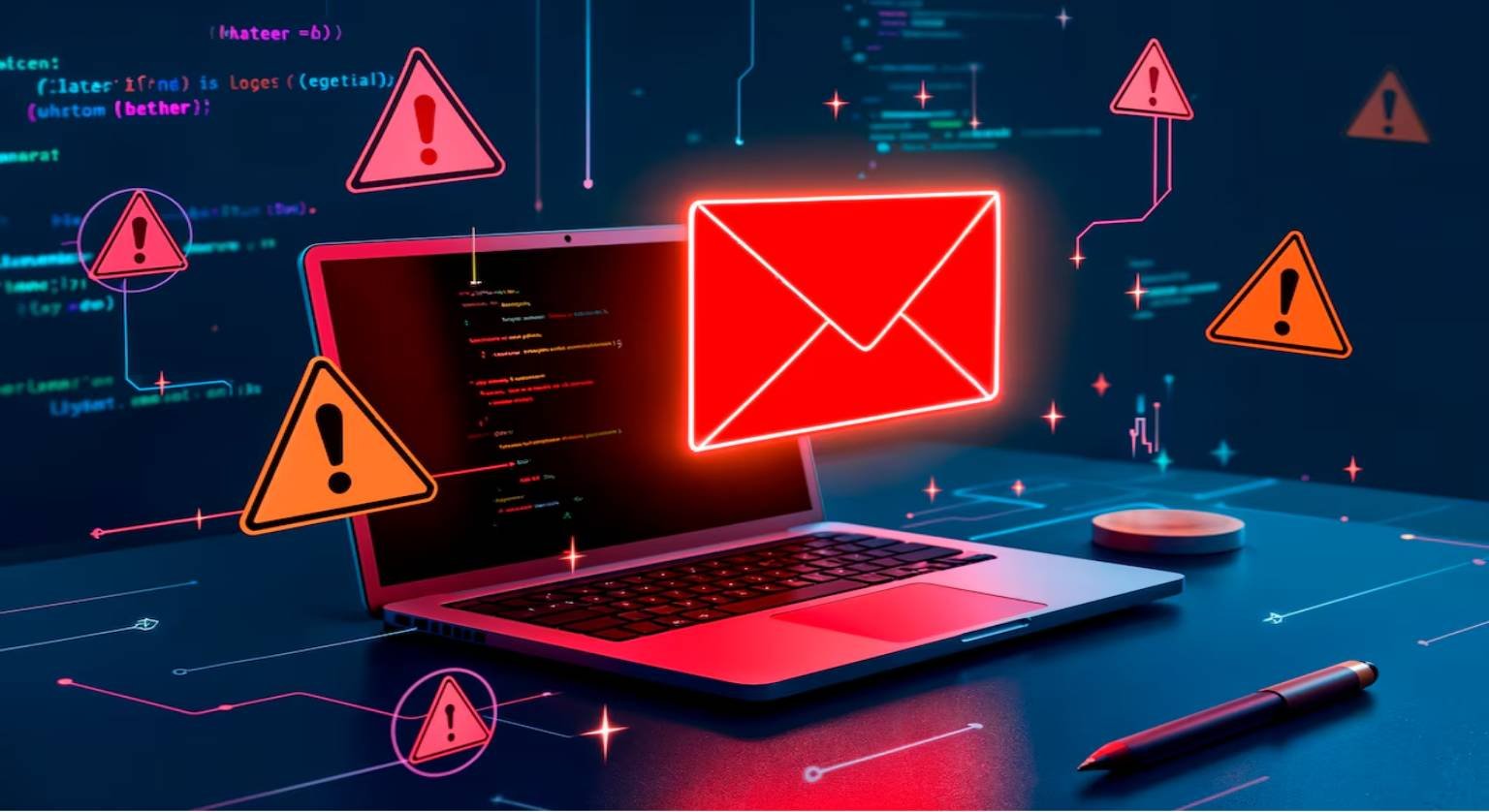
WordPress plugin vulnerabilities are security flaws or weaknesses found within third-party extensions that can be exploited by malicious actors. These vulnerabilities pose a significant risk, potentially leading to data breaches, website defacement, or even complete site compromise if not properly addressed.
As WordPress powers over 43% of the internet, its ecosystem, particularly the vast array of plugins, becomes a prime target for attackers. Understanding and mitigating these vulnerabilities is paramount for any website owner.
What Are WordPress Plugin Vulnerabilities and Why Do They Matter?
WordPress plugin vulnerabilities refer to security loopholes in the code of plugins that extend WordPress functionality. These flaws can range from simple misconfigurations to critical remote code execution exploits. Given that plugins often handle sensitive data, interact with databases, and manage core site functions, a vulnerability in even one plugin can expose your entire website.
Common Types of Plugin Vulnerabilities:
- Cross-Site Scripting (XSS): Allows attackers to inject malicious scripts into web pages viewed by other users.
- SQL Injection (SQLi): Enables attackers to interfere with queries an application makes to its database, potentially revealing sensitive information or altering data.
- Remote Code Execution (RCE): The most severe type, allowing attackers to run arbitrary code on your server.
- Broken Access Control: Flaws that allow users to act outside of their intended permissions, such as an unauthenticated user gaining administrative privileges.
- Information Disclosure: Plugins inadvertently revealing sensitive server or user data.
The impact of an exploited vulnerability can be devastating, leading to:
- Loss of sensitive customer data (e.g., credit card information, personal details).
- Website defacement or complete shutdown.
- SEO penalties and removal from search engine results due to malware warnings.
- Blacklisting by web hosts and security vendors.
- Reputational damage and loss of user trust.
How Do WordPress Plugin Vulnerabilities Occur?
WordPress plugin vulnerabilities don’t appear out of thin air; they are usually the result of specific development oversights or operational practices. Understanding their origins is crucial for prevention.
Key Factors Contributing to Plugin Vulnerabilities:
- Poor Coding Practices: Developers might not sanitize input properly, use insecure functions, or fail to implement robust security checks.
- Lack of Input Validation: Failing to validate user input can lead to SQL injection or XSS attacks.
- Outdated Libraries and Dependencies: Plugins often rely on external libraries, which, if not updated, can introduce known vulnerabilities.
- Insecure Default Settings: Some plugins might ship with overly permissive default settings that expose functionality unnecessarily.
- Developer Negligence or Abandonment: Plugins that are no longer maintained or whose developers are unresponsive to security reports become increasingly risky over time.
- Complex Functionality: The more features a plugin has, the larger its codebase, increasing the surface area for potential flaws.
Best Practices for Mitigating WordPress Plugin Vulnerabilities
Proactive security measures are your best defense against wordpress plugin vulnerabilities. Implementing these practices can significantly reduce your risk exposure.
Essential Security Strategies:
- Keep Everything Updated: This is the golden rule. Regularly update your WordPress core, themes, and especially plugins. Developers frequently release updates to patch newly discovered vulnerabilities. Enable automatic updates for minor releases and monitor major ones.
- Delete Unused Plugins and Themes: If you’re not using a plugin, uninstall and delete it. Inactive plugins can still harbor vulnerabilities that an attacker could exploit.
- Choose Reputable Sources: Download plugins only from the official WordPress plugin directory or trusted premium developers with a strong security track record. Avoid nulled or pirated plugins at all costs, as they often contain hidden backdoors.
- Implement Strong User Roles and Passwords: Limit administrative access and use strong, unique passwords for all accounts.
- Use a Web Application Firewall (WAF): A WAF can detect and block malicious traffic before it reaches your WordPress site, providing an extra layer of defense against known exploits.
- Regular Backups: Maintain a robust backup strategy. In the event of a security incident, a recent backup can be your lifeline for quick recovery.
The Role of Regular Security Audits and Scanning
Even with best practices in place, new vulnerabilities emerge daily. Regular security audits and scanning are critical for identifying weaknesses before attackers do.
Proactive scanning helps detect malware, suspicious code, and potential entry points that could arise from an exploited plugin. Crucially, regularly scan website for malware to detect compromised files and malicious injections that might stem from an exploited plugin or other vectors. Specialized security plugins and external services can continuously monitor your site for integrity changes, known vulnerabilities, and suspicious activities.
Benefits of Continuous Monitoring:
- Early detection of malware and intrusions.
- Identification of outdated or vulnerable components.
- Compliance with security standards.
- Peace of mind knowing your site is under constant vigilance.
Choosing Secure Plugins: A Comparison Approach
Not all plugins are created equal when it comes to security. Making informed choices can drastically reduce your exposure to wordpress plugin vulnerabilities.
What to Look For When Selecting a Plugin:
- Active Development & Support: Check when the plugin was last updated. A frequently updated plugin indicates active development and responsiveness to bug and security fixes. Look for plugins with good support forums or responsive developer teams.
- Reviews and Ratings: Read user reviews on the WordPress.org directory. While not always security-focused, consistent negative feedback or reports of issues can be a red flag.
- Security Audit Information: Some reputable plugin developers will publish results of independent security audits. This transparency is a strong indicator of their commitment to security.
- Compatibility: Ensure the plugin is compatible with the latest version of WordPress. Incompatible plugins can cause conflicts and sometimes expose vulnerabilities.
- Number of Active Installations: While a high number isn’t a guarantee of security, it often suggests a more robust community and more eyes on the code.
Comparing Free vs. Premium Plugins:
Often, premium plugins from established companies may offer more rigorous security testing and dedicated support, but this isn’t a hard and fast rule. Many free plugins are exceptionally well-coded and maintained. The key is to evaluate based on the criteria above, regardless of price point.
Responding to a WordPress Plugin Vulnerability
Even with the best precautions, an incident can occur. Knowing how to respond quickly and effectively is vital.
Steps to Take During a Security Incident:
- Isolate Your Site: Take your site offline or move it to a maintenance mode to prevent further damage or spread of malware.
- Identify the Vulnerability: Determine which plugin or component was exploited. Security logs and scanning tools can assist.
- Update/Patch or Remove: If a patch is available, apply it immediately. If not, temporarily deactivate and delete the vulnerable plugin until a secure alternative or fix is available.
- Clean Your Site: Thoroughly remove any injected malicious code. This often requires professional assistance or specialized security tools.
- Restore from Backup: If you have a clean backup from before the infection, consider restoring it. Ensure the backup is indeed clean and that the vulnerability is patched post-restore.
- Post-Mortem & Preventative Measures: Analyze how the breach occurred and implement additional security measures to prevent future incidents.
By staying informed about wordpress plugin vulnerabilities and diligently applying security best practices, you can significantly enhance your website’s resilience against attacks. Protecting your digital presence is an ongoing process that requires continuous vigilance and proactive management.