In today’s interconnected digital landscape, a website’s security is paramount. For the millions of sites powered by WordPress, this means actively seeking out and patching vulnerabilities. This is where wordpress penetration testing becomes an indispensable part of your security strategy.
What is WordPress Penetration Testing?
At its core, wordpress penetration testing, often abbreviated as pen testing, is a controlled, ethical hacking exercise. Unlike automated vulnerability scans that simply identify potential flaws, a penetration test goes a step further by attempting to exploit those vulnerabilities. The goal is to mimic the tactics and techniques of a real-world attacker to uncover weaknesses that might otherwise go unnoticed. This includes probing for vulnerabilities in your WordPress core files, installed themes, plugins, server configuration, and even the human element through social engineering simulations.
Why is WordPress Penetration Testing Crucial?
WordPress, while incredibly powerful and user-friendly, is also a prime target for cybercriminals due to its widespread adoption. A successful breach can lead to devastating consequences:
- Data Loss & Corruption: Sensitive user data, business records, and website content can be stolen, altered, or destroyed.
- Reputational Damage: A compromised site erodes trust with your audience and can significantly harm your brand image.
- SEO Penalties: Google often blacklists compromised sites, leading to a drastic drop in search engine rankings and traffic.
- Financial Costs: Remediation, legal fees, and potential fines for data breaches can be substantial.
- Service Disruption: Your website could be defaced, taken offline, or used to launch further attacks.
Regular penetration testing offers a proactive defense, allowing you to address these issues before they cause real damage.
Common Vulnerabilities Targeted During WordPress Penetration Testing
Penetration testers typically look for a range of weaknesses specific to the WordPress ecosystem and general web applications:
- Outdated Software: Exploitable vulnerabilities in old versions of WordPress core, themes, and plugins.
- Weak Credentials: Easily guessable passwords for admin accounts, databases, or FTP.
- Injection Flaws: SQL Injection (SQLi), Cross-Site Scripting (XSS), and Command Injection that allow attackers to execute malicious code or extract data.
- Broken Access Control: Flaws allowing users to gain unauthorized access to administrative functions or sensitive data.
- Security Misconfigurations: Incorrect server settings, exposed directories, or improperly configured security headers.
- Insecure Plugins & Themes: Poorly coded extensions that introduce backdoors or direct vulnerabilities.
- Cross-Site Request Forgery (CSRF): Tricks users into executing unwanted actions on your website.
How to Perform WordPress Penetration Testing
Conducting a comprehensive wordpress penetration testing involves a structured approach, typically broken down into several key phases:
Phases of a Penetration Test
- Information Gathering (Reconnaissance):
- Passive Reconnaissance: Collecting publicly available information about the target (DNS records, IP addresses, employee details, subdomains, social media).
- Active Reconnaissance: Interacting directly with the target to gather more specific information (port scanning, banner grabbing, identifying WordPress version, plugins, and themes).
- Vulnerability Scanning & Analysis:
- Using automated tools and manual techniques to identify potential vulnerabilities based on the gathered information. This involves looking for known CVEs (Common Vulnerabilities and Exposures) related to the identified WordPress components.
- Exploitation:
- Attempting to leverage identified vulnerabilities to gain unauthorized access, execute commands, or extract data. This is where the “penetration” aspect comes in, simulating a real attack.
- Post-Exploitation:
- Once access is gained, the tester assesses the extent of the compromise, identifies other vulnerable systems, and attempts to maintain persistence within the network to understand the potential impact of a real breach.
- Reporting & Remediation:
- Documenting all findings, including exploited vulnerabilities, the methods used, and the business impact. Crucially, a good report provides clear, actionable recommendations for remediation and follow-up.
Tools for WordPress Penetration Testing
A variety of tools, both automated and manual, are employed by security professionals:
- WPScan: A popular open-source black box WordPress vulnerability scanner that checks for known vulnerabilities in WordPress core, plugins, and themes.
- Nessus/OpenVAS: Comprehensive vulnerability scanners that can identify server-level and web application vulnerabilities beyond just WordPress specifics.
- Burp Suite: An essential tool for manual web application penetration testing, allowing for interception, modification, and analysis of HTTP requests.
- SQLMap: An open-source penetration testing tool that automates the detection and exploitation of SQL injection flaws.
- Metasploit Framework: A powerful platform used for developing, testing, and executing exploits.
- Manual Browsing & Inspection: Often the most effective method for finding logical flaws and business logic vulnerabilities that automated tools might miss.
To truly fortify your website, it’s essential to not only understand these foundational tools but also to discover advanced security tools and methodologies that professional penetration testers utilize. These advanced solutions often provide deeper insights and a broader scope of protection.
Best Practices for Effective WordPress Penetration Testing
To maximize the benefits of a pen test and ensure genuine security improvements, consider these best practices:
Regular Testing Schedule
Security is not a one-time event. WordPress, its plugins, and themes are constantly updated, and new vulnerabilities emerge regularly. Schedule annual or bi-annual penetration tests, or after significant updates to your website’s functionality or infrastructure, to ensure continuous protection.
Engaging Professional Services
While some basic vulnerability scanning can be done in-house, a full-scale wordpress penetration testing is best handled by experienced security professionals. They possess the expertise, tools, and methodologies to conduct thorough assessments, identify complex vulnerabilities, and provide objective, actionable recommendations.
Remediation and Follow-Up
A penetration test is only valuable if its findings are acted upon. Prioritize the vulnerabilities based on severity and implement the recommended fixes promptly. After remediation, conduct a re-test to verify that the vulnerabilities have been successfully patched and no new issues were introduced.
WordPress Penetration Testing vs. Vulnerability Scanning
It’s crucial to understand the distinction between these two often-confused security practices:
Key Differences and Complementary Roles
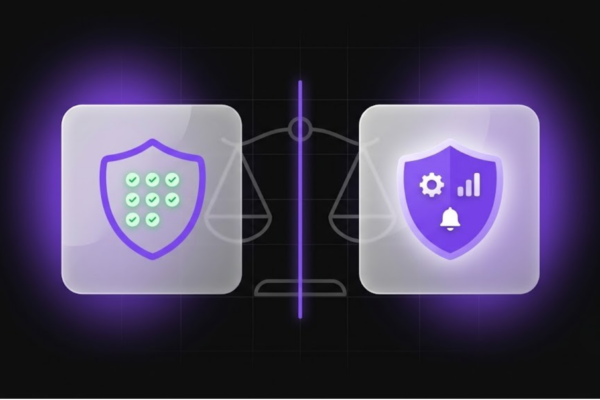
- Vulnerability Scanning: This is an automated process that uses scanners to identify known vulnerabilities. It’s like an X-ray, quickly showing potential problems. It’s faster and more cost-effective for frequent, broad assessments.
- Penetration Testing: This is a manual, in-depth process involving human testers who attempt to exploit identified vulnerabilities. It’s like a surgical procedure, confirming whether a potential problem is actually exploitable and assessing the real-world impact.
While vulnerability scanning provides a good baseline and can be done frequently, wordpress penetration testing offers a deeper, more realistic assessment of your site’s resilience against real attackers. They are not mutually exclusive; rather, they are complementary. Many organizations use regular vulnerability scans to catch common issues and periodically conduct full penetration tests for a more thorough security audit.
After the Test: Strengthening Your WordPress Security
Once your penetration test is complete and you have the report, the real work begins:
Implementing Patches and Fixes
Systematically address every vulnerability outlined in the report. This includes:
- Updating WordPress core, themes, and plugins to their latest, secure versions.
- Removing unused themes and plugins.
- Strengthening passwords and enforcing multi-factor authentication (MFA).
- Applying server-level security configurations (e.g., proper file permissions, web application firewalls).
- Fixing custom code vulnerabilities identified by the testers.
Ongoing Security Measures
Beyond immediate fixes, establish a continuous security posture:
- Security Plugins: Install reputable WordPress security plugins for firewalls, malware scanning, and intrusion detection.
- Regular Backups: Implement a robust backup strategy to quickly recover from any incident.
- Monitoring: Continuously monitor your site for suspicious activity and security alerts.
- User Education: Train your team on security best practices, especially regarding password hygiene and identifying phishing attempts.
By combining proactive testing with diligent maintenance, you can significantly reduce your WordPress site’s attack surface.
In conclusion, a robust approach to WordPress security necessitates more than just basic measures. Embracing regular and thorough wordpress penetration testing is a critical step for any serious website owner or business. It’s an investment that pays off by protecting your data, reputation, and continuity in the face of evolving cyber threats.