What is WordPress Hardening and Why It’s Crucial for Your Website’s Security?
WordPress hardening involves implementing a series of security measures to reduce vulnerabilities and protect a WordPress website from common threats like hacking, malware, and data breaches. It’s a proactive approach to bolster your site’s defenses beyond basic installations, making it significantly more resilient against malicious attacks.
In today’s digital landscape, a WordPress website is a prime target for cybercriminals. From defacement and data theft to SEO spam and complete site takeovers, the risks are substantial. Neglecting security can lead to financial losses, reputational damage, and a complete loss of trust from your audience. This is where comprehensive wordpress hardening becomes indispensable.
Why is WordPress Hardening Important?
- Prevents Data Breaches: Protects sensitive user information, customer data, and proprietary business information from unauthorized access.
- Maintains Site Availability: Reduces the risk of downtime caused by attacks, ensuring your site remains accessible to visitors.
- Preserves Reputation: A secure site builds trust and credibility, avoiding the negative impact of a security incident.
- Avoids SEO Penalties: Google often blacklists compromised sites, severely impacting search rankings and visibility.
- Saves Time and Money: Proactive hardening is far less costly and time-consuming than recovering from a successful attack.
- Ensures Compliance: Helps meet regulatory requirements like GDPR or PCI DSS if handling sensitive data.
How to Implement WordPress Hardening: Essential Steps for a Secure Website
Achieving robust WordPress security requires a multi-layered approach. Here are the critical steps to effectively implement wordpress hardening.
Core WordPress Security Measures
- Regular Updates: Always keep your WordPress core, themes, and plugins updated to their latest versions. Updates often include critical security patches for newly discovered vulnerabilities.
- Strong Passwords and User Management:
- Use unique, complex passwords for all user accounts, especially administrators.
- Avoid “admin” as a username.
- Limit the number of users with administrator privileges.
- Remove inactive user accounts.
- Implement password expiration policies if possible.
- Secure Hosting: Choose a reputable hosting provider that offers security features like WAF, malware scanning, DDoS protection, and regular backups. Shared hosting can be a vulnerability if not managed carefully by the host.
File and Directory Permissions
Incorrect file permissions are a common entry point for attackers. Follow these guidelines:
- Files should be set to 644 (read/write for owner, read-only for group/others).
- Directories should be set to 755 (read/write/execute for owner, read/execute for group/others).
wp-config.phpis a critical file and should ideally be 600 or 400 for maximum security, but verify your host’s compatibility.
Database Security
- Change Default Database Prefix: During installation, change the default
wp_database prefix to something unique to make automated SQL injection attacks harder. - Unique Database Credentials: Ensure your database username and password are strong and unique.
- Limit Database Access: Restrict direct database access from external sources.
Disable XML-RPC
The XML-RPC interface, while useful for some remote publishing, is a frequent target for brute-force and DDoS attacks. If you don’t use it (e.g., for Jetpack or mobile app publishing), it’s safer to disable it.
You can do this by adding the following to your .htaccess file:
# Block WordPress xmlrpc.php requests
<Files xmlrpc.php>
Order Deny,Allow
Deny from all
</Files>
Limit Login Attempts
Brute-force attacks try to guess your login credentials repeatedly. Limit the number of failed login attempts allowed within a certain timeframe to thwart these attacks. Many security plugins offer this functionality.
Implement a Web Application Firewall (WAF)
A WAF acts as a shield between your website and the internet, filtering out malicious traffic before it reaches your site. It can block common attack vectors like SQL injection, cross-site scripting (XSS), and bot attacks, significantly contributing to your wordpress hardening strategy. Cloud-based WAFs like Cloudflare or Sucuri are popular choices.
Utilize Security Plugins
While manual hardening is crucial, security plugins can automate many tasks and provide an extra layer of defense. Look for plugins that offer:
- Malware scanning and removal
- Firewall capabilities
- Login security (2FA, limiting attempts)
- Activity logging
- File integrity monitoring
Two-Factor Authentication (2FA)
Adding 2FA means that even if an attacker gets your password, they still need a second verification step (e.g., a code from your phone) to log in. This dramatically increases account security. By diligently following these steps, you can significantly ensure safe WordPress websites.
Regular Backups
Even with the best security measures, no system is entirely foolproof. Regular, automated backups of your entire WordPress site (files and database) are your ultimate safety net. Store backups in an off-site location and test them periodically to ensure they are restorable.
Best Practices for Ongoing WordPress Hardening
Security is not a one-time setup; it’s an ongoing process. Maintain your site’s robust defenses with these best practices.
Security Audits and Scans
Perform regular security audits and scans using reputable tools or services. These can identify vulnerabilities, malware, and misconfigurations that might have slipped through your initial hardening efforts.
Monitoring Logs
Keep an eye on your server and WordPress activity logs. Unusual login attempts, file changes, or error messages can be early indicators of a security breach. Many security plugins provide simplified activity logs.
Educate Users
If you have multiple users, educate them about security best practices, such as creating strong passwords, recognizing phishing attempts, and reporting suspicious activity. Human error is often a weak link in security.
Stay Informed
Keep up-to-date with the latest WordPress security news, vulnerabilities, and recommended hardening techniques. Subscribing to security blogs and newsletters can provide timely alerts.
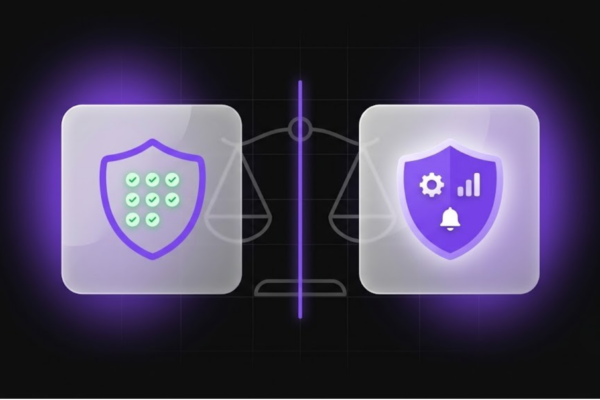
Comparisons: Manual WordPress Hardening vs. Security Plugins
When it comes to securing your WordPress site, you often have a choice between implementing measures manually or relying on security plugins. Both have their merits and work best when combined.
Manual Hardening
- Pros:
- Granular control over every aspect of your site’s security.
- No reliance on third-party plugin code, potentially reducing overhead.
- Deep understanding of your site’s security posture.
- Cons:
- Requires technical expertise (e.g., working with
.htaccess, FTP, database). - Time-consuming to implement and maintain.
- Can be error-prone if not done correctly.
- Doesn’t always provide real-time threat protection or automated scanning.
- Requires technical expertise (e.g., working with
WordPress Security Plugins (e.g., Wordfence, Sucuri, iThemes Security)
- Pros:
- Automates many hardening tasks and ongoing monitoring.
- User-friendly interfaces make security accessible to non-technical users.
- Often includes real-time threat intelligence, WAF, malware scanning, and vulnerability detection.
- Provides consolidated security features in one dashboard.
- Cons:
- Can add overhead and potentially slow down your site if poorly coded or configured.
- Reliance on a third-party for critical security functions.
- Some advanced features are often behind a paywall.
- Potential for plugin conflicts with other parts of your site.
The Recommended Approach
The most effective strategy for wordpress hardening combines both manual methods and a robust security plugin. Implement core manual hardening techniques for foundational security (like file permissions and XML-RPC disablement), then use a reputable security plugin to manage ongoing monitoring, provide a WAF, and automate tasks like malware scans and login security. This hybrid approach offers comprehensive protection while leveraging the strengths of each method.