A hacked site checker is an essential tool that thoroughly scans your website for malware, security vulnerabilities, unauthorized file changes, and other indicators of compromise. It helps website owners quickly identify and mitigate security breaches, protecting their data, reputation, and SEO rankings.
In today’s digital landscape, the threat of a website hack is more prevalent than ever. From defacement to data theft, a compromised site can severely impact your business and trust with your audience. Understanding how to detect and prevent these attacks is paramount, and a reliable hacked site checker is your first line of defense.
Understanding the Threat: Why Every Website Needs Vigilance
Cyberattacks are sophisticated and constant. Small businesses and personal blogs are often targeted just as much as large corporations because they can be easier to penetrate. A successful attack can lead to:
- Data Breaches: Exposing sensitive customer or business information.
- Reputation Damage: Losing user trust and credibility.
- SEO Penalties: Google blacklisting your site for distributing malware.
- Financial Loss: Costly recovery efforts and potential legal fees.
- Website Downtime: Losing potential sales or audience engagement.
This is precisely where a proactive approach with a robust hacked site checker becomes indispensable.
How a Hacked Site Checker Works: Your Digital Investigator
A hacked site checker employs various techniques to scrutinize your website’s integrity. These tools are designed to identify suspicious patterns and anomalies that might indicate a breach.
Types of Hacked Site Checkers
Different tools offer varying levels of depth and functionality:
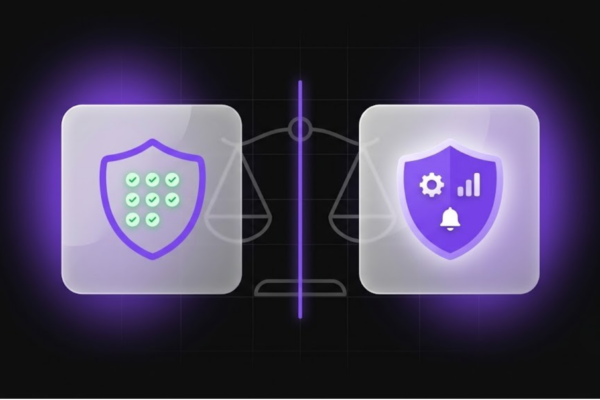
- External Scanners: These tools scan your website from the outside, looking for publicly visible signs of malware, blacklisting status, and insecure configurations. They simulate how a hacker might initially view your site.
- Internal Scanners (Server-Side): These require access to your server files and database. They perform deep scans of your code, identify modified files, detect hidden backdoors, and check for known vulnerabilities in your CMS (like WordPress, Joomla, Drupal) and plugins/themes.
- Real-time Monitoring: Some advanced services offer continuous monitoring, alerting you instantly to any suspicious activity or file changes.
What Does a Hacked Site Checker Look For?
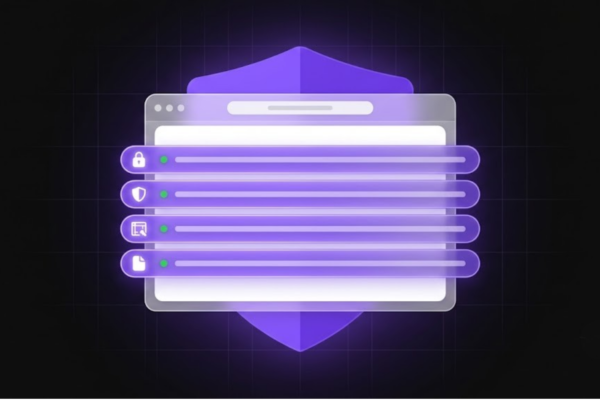
When you run a hacked site checker, it typically looks for:
- Malware Signatures: Identifying known malicious code patterns (viruses, Trojans, worms, ransomware).
- Blacklisting Status: Checking if your site has been flagged by Google Safe Browsing or other security authorities.
- Phishing Pages: Detecting unauthorized pages designed to steal user credentials.
- Backdoors: Hidden methods allowing unauthorized access to your site.
- SQL Injection & XSS Vulnerabilities: Weaknesses that hackers exploit.
- Outdated Software: Identifying old versions of CMS, plugins, or themes with known security flaws.
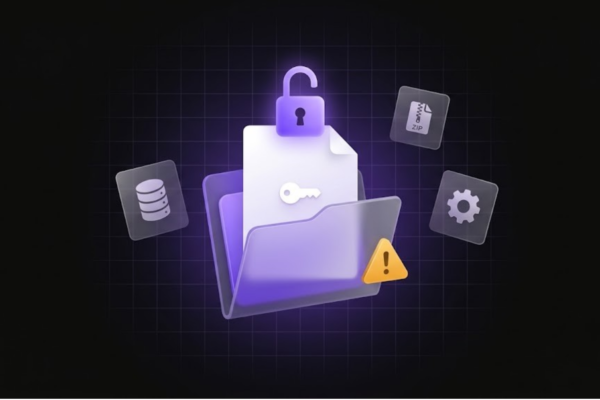
- Unauthorized File Changes: Alerting you if critical website files have been modified without your knowledge.
Implementing a Hacked Site Checker: Best Practices
While using a hacked site checker is crucial, it’s most effective when integrated into a broader security strategy.
Regular Scans are Non-Negotiable
Don’t wait until you suspect a hack. Schedule regular, automated scans. Depending on your website’s traffic and update frequency, daily or weekly scans are ideal. For high-traffic or e-commerce sites, continuous real-time monitoring is highly recommended.
Combine External and Internal Scans
For comprehensive protection, use both external and internal scanning tools. An external scan provides a quick overview and checks for blacklisting, while an internal scan delves deep into your server files for hidden threats.
Understanding Scan Reports
When your hacked site checker generates a report, take the time to understand it. Prioritize critical alerts and address them promptly. If you’re unsure about a finding, consult with a cybersecurity expert.
If your hacked site checker identifies a breach, immediate action is paramount. Ignoring the issue can lead to more severe consequences. For complex cases requiring expert intervention, specialized services for hacked site recovery can provide a lifeline, restoring your site to its clean state and fortifying its defenses.
Beyond the Scan: Comprehensive Website Security
A hacked site checker is a powerful detection tool, but prevention is always better than cure. Here are additional best practices for robust website security:
Strong Passwords and Two-Factor Authentication (2FA)
Use complex, unique passwords for all your website logins (admin panel, hosting, database, FTP). Enable 2FA wherever available for an extra layer of security.
Keep Everything Updated
Regularly update your Content Management System (CMS), themes, and plugins. Updates often include critical security patches that close vulnerabilities hackers exploit.
Use a Web Application Firewall (WAF)
A WAF acts as a shield between your website and the internet, filtering out malicious traffic and blocking common attack vectors like SQL injection and cross-site scripting (XSS).
Regular Backups
Implement a reliable backup strategy. Store backups in a secure, off-site location. In the event of a hack, a clean backup can be a lifesaver, allowing you to restore your site quickly.
Secure Hosting
Choose a reputable hosting provider known for its robust security measures, including server-level firewalls, regular security audits, and malware scanning.
Choosing the Right Hacked Site Checker for Your Needs
With numerous options available, selecting the best hacked site checker can be daunting. Consider the following factors:
- Detection Capabilities: Does it detect a wide range of malware, vulnerabilities, and suspicious activity?
- Ease of Use: Is the interface intuitive, and are the reports easy to understand?
- Scanning Frequency: Does it offer scheduled scans or real-time monitoring?
- False Positives: How accurate are its findings? Too many false positives can be frustrating.
- Support & Recovery: Does the service offer support during a breach or provide tools for cleaning?
- Cost: Does it fit within your budget, considering free vs. paid options?
Ultimately, investing in a good hacked site checker is an investment in your peace of mind and the longevity of your online presence. By proactively monitoring your site and implementing strong security practices, you significantly reduce the risk of becoming another cyberattack statistic.