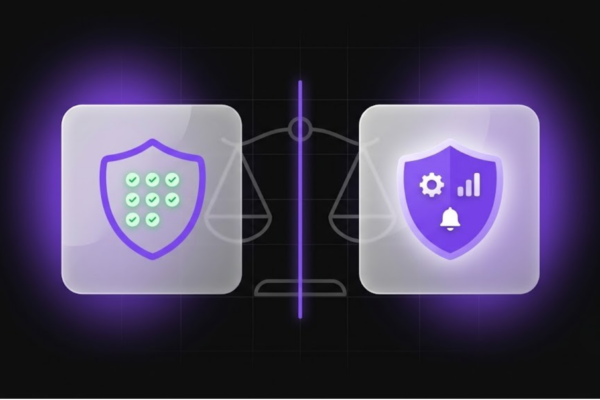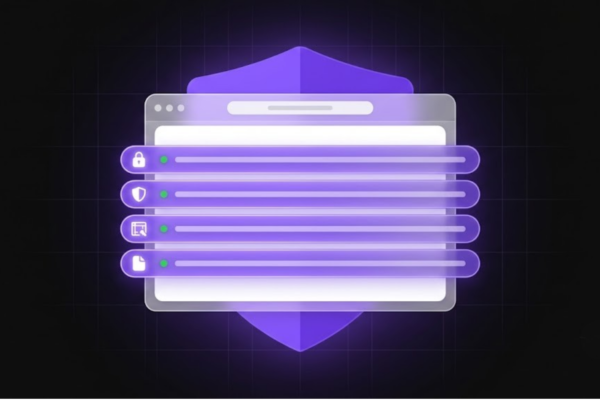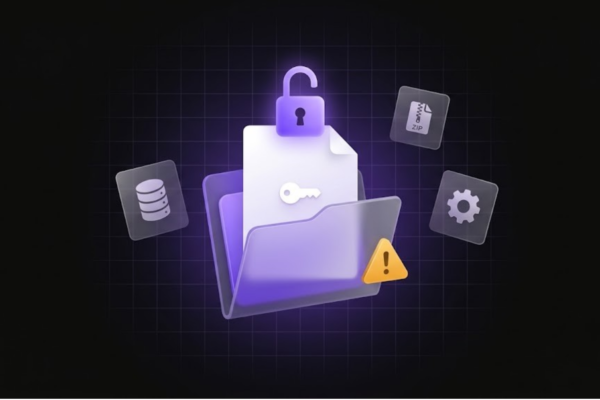
An **all in one WordPress security and firewall** solution is a comprehensive plugin or service designed to protect your website from various online threats by consolidating multiple security features into a single, easy-to-manage package. This includes protection against malware, brute-force attacks, spam, and exploits, ensuring your site remains secure and operational.
In today’s digital landscape, a WordPress website is a prime target for malicious actors. From sophisticated malware injections to relentless brute-force attacks, the threats are constant and evolving. For many site owners, managing various security plugins and configurations can be overwhelming. This is where an **all in one WordPress security and firewall** becomes invaluable, offering a streamlined approach to fortifying your site against a multitude of vulnerabilities and attacks. It’s not just about reacting to an attack, but proactively building a robust defense system.
What is an All-in-One WordPress Security and Firewall Solution?
At its core, an all-in-one WordPress security and firewall solution integrates several critical security functionalities into a singular, cohesive system. Instead of installing separate plugins for a firewall, malware scanner, login security, and backups, these comprehensive solutions bundle them together. This integration simplifies management, reduces potential conflicts between plugins, and often provides a more robust, layered defense than disparate tools might offer.
Core Components of Integrated Security
While features can vary, a robust all-in-one solution typically includes:
- Web Application Firewall (WAF): This acts as your site’s first line of defense, filtering malicious traffic before it reaches your WordPress installation. It blocks known attack patterns, SQL injections, cross-site scripting (XSS), and more.
- Malware Scanning & Removal: Regularly scans your site’s files, database, and themes for malicious code, backdoors, and other compromises, with capabilities to quarantine or remove detected threats.
- Login Security: Protects against brute-force attacks by limiting login attempts, enforcing strong passwords, and often offering Two-Factor Authentication (2FA).
- Security Auditing & Monitoring: Keeps a log of all security-related events on your site, such as file changes, login attempts, and administrator actions, helping identify suspicious behavior.
- Spam Protection: Integrates with comment and contact forms to prevent spam submissions.
- IP Blacklisting: Allows you to block suspicious IP addresses or ranges that are known sources of attacks.
- File Integrity Monitoring: Alerts you to unauthorized changes to core WordPress files, themes, and plugins.
- Vulnerability Scanning: Checks for known vulnerabilities in your installed themes and plugins.
- Backup & Restore: Provides regular backups of your website files and database, essential for quick recovery in case of a successful attack or critical error.
Why Your WordPress Site Needs All-in-One Security
Every WordPress site, regardless of its size or purpose, is a potential target. Attackers don’t discriminate between a small personal blog and a large e-commerce store. The consequences of a security breach can be severe:
- Data Loss or Corruption: Critical website data, including customer information, can be stolen or destroyed.
- Reputational Damage: A hacked site erodes user trust and can significantly harm your brand image.
- SEO Penalties: Google often blacklists compromised sites, removing them from search results, leading to a drastic drop in organic traffic.
- Loss of Revenue: For e-commerce sites or businesses, downtime due to a hack directly translates to lost sales.
- Legal Ramifications: If customer data is compromised, you could face legal action or regulatory fines.
An integrated solution significantly reduces these risks by providing a multi-layered defense that’s easier to manage and more effective than piecemeal security measures.
How to Choose the Best All-in-One WordPress Security and Firewall
Selecting the right **all in one WordPress security and firewall** requires careful consideration. Not all solutions are created equal, and what works best for one site might not be ideal for another. Focus on finding a balance between comprehensive features, performance, and usability.
Factors for Selection
- Comprehensive Feature Set: Ensure it covers all the core components mentioned above, especially a robust WAF and effective malware scanning.
- Performance Impact: Some security plugins can be resource-intensive. Look for solutions known for optimized performance that won’t slow down your site.
- User-Friendliness: A good interface makes it easier to configure, monitor, and manage your security settings without needing advanced technical knowledge.
- Regular Updates and Support: Security threats evolve rapidly, so the solution must be regularly updated by its developers. Accessible and responsive customer support is also crucial.
- Compatibility: Check for compatibility with your WordPress version, themes, and other essential plugins.
- Cost vs. Value: Free versions offer basic protection, but premium solutions often provide more advanced features, real-time protection, and dedicated support, which can be a worthy investment for business-critical sites.
Implementing an All-in-One WordPress Security Solution: Best Practices
Even the best all-in-one solution won’t be fully effective without proper implementation and ongoing vigilance. Here are some best practices to maximize your site’s security:
- Install Immediately: Don’t wait until your site is attacked. Implement your security solution as soon as your WordPress site is live.
- Configure Thoroughly: Take the time to go through all the settings and configure them according to your site’s needs. Don’t rely solely on default settings.
- Enable Two-Factor Authentication (2FA): This is one of the most effective ways to prevent unauthorized access to your admin area.
- Regularly Update: Keep your WordPress core, themes, and all plugins (including your security solution) updated to their latest versions. Updates often include critical security patches.
- Strong Passwords & User Roles: Use strong, unique passwords for all user accounts and adhere to the principle of least privilege for user roles.
- Monitor Logs: Periodically review your security logs for any unusual activity or attempted breaches.
- Regular Backups: While your security plugin might offer backups, also consider separate, off-site backup solutions for redundancy.
Beyond the Basics: Advanced Protection with a WordPress Vulnerabilities Scanner
Even with an **all in one WordPress security and firewall**, proactive vulnerability detection is crucial. While these solutions offer extensive protection, understanding and mitigating potential weaknesses before they are exploited is a key step in a robust security strategy. A dedicated tool can dive deeper than standard plugin scans, uncovering less obvious vulnerabilities.
Regularly scanning your site for known vulnerabilities in themes, plugins, and core WordPress files can prevent many attacks. This includes checking for outdated software, insecure configurations, and common exploits. Utilizing a reliable WordPress vulnerabilities scanner ensures that even obscure weaknesses are identified and brought to your attention, allowing you to patch them proactively before a malicious actor discovers them. This proactive approach complements your all-in-one security solution by adding an extra layer of foresight and significantly bolstering your overall security posture.
Comparison: Integrating an All-in-One Solution with Other Security Measures
An all-in-one security and firewall solution forms the cornerstone of your WordPress defense, but it’s not the only piece of the puzzle. For optimal security, it should integrate seamlessly with other measures:
- Secure Hosting: Choose a reputable host that offers server-level firewalls, malware scanning, and isolated environments.
- Content Delivery Network (CDN): A CDN can not only improve performance but also offer additional DDoS protection and WAF services at the network edge.
- SSL Certificate: Essential for encrypting data between your site and its visitors, building trust, and improving SEO.
- Regular Audits: Beyond automated scans, consider professional security audits for critical sites to uncover deeply embedded vulnerabilities.
By combining an **all in one WordPress security and firewall** with these external layers, you create a formidable defense system that protects your website comprehensively, ensuring its longevity and the safety of your data and users.
Conclusion
Securing your WordPress website is no longer optional; it’s a critical imperative. An all-in-one WordPress security and firewall solution offers the most efficient and comprehensive way to protect your digital asset against the myriad of online threats. By choosing the right solution and adhering to best practices, you can safeguard your site, maintain user trust, and ensure your online presence remains secure and uninterrupted.