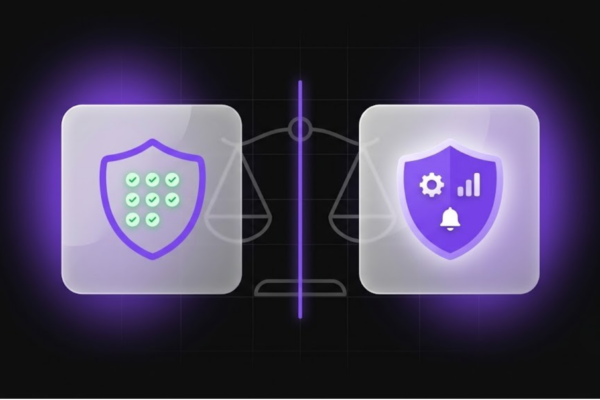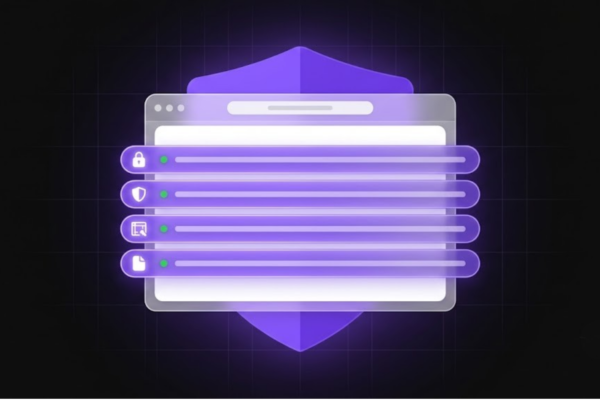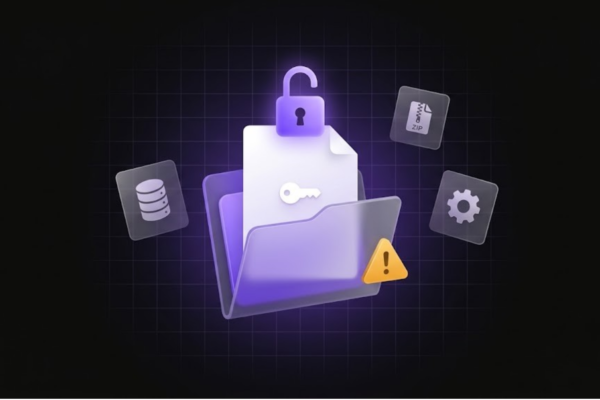
A WordPress site scanner is an automated security tool designed to systematically inspect your website for malware, malicious code, vulnerabilities, and suspicious activities. It serves as your primary defense mechanism, proactively identifying security weaknesses before they can be exploited.
What is a WordPress Site Scanner and Why Do You Need One?
In today’s digital landscape, a WordPress site scanner is no longer a luxury but a fundamental component of any robust website security strategy. WordPress, powering over 43% of the internet, is a frequent target for cybercriminals. These attackers seek to exploit vulnerabilities in themes, plugins, or even the core software to inject malware, deface sites, steal data, or launch phishing campaigns.
A dedicated wordpress site scanner acts as your website’s digital security guard, continuously monitoring for signs of trouble. Without one, your site could be compromised for weeks or months without your knowledge, leading to significant damage to your reputation, SEO rankings, and user trust.
Key Functions of an Effective WordPress Site Scanner:
- Malware Detection: Identifies and pinpoints malicious code, backdoors, viruses, and trojans hidden within your files or database.
- Vulnerability Scanning: Checks for known security flaws in your WordPress core, installed themes, and plugins.
- File Integrity Monitoring: Compares your current WordPress core files against official versions to detect unauthorized modifications.
- Blacklist Monitoring: Alerts you if your site has been flagged by search engines or security authorities as malicious, which can severely impact traffic.
- Security Hardening Recommendations: Provides actionable advice on how to strengthen your site’s defenses, such as enforcing strong passwords or disabling file editing.
- Database Scanning: Scans your WordPress database for malicious injections, spam, or hidden backdoors.
How to Choose the Best WordPress Site Scanner for Your Site
Selecting the right wordpress site scanner requires careful consideration of various features and your specific security needs. Not all scanners are created equal, and the best choice will offer a comprehensive suite of tools.
Crucial Features to Look For:
- Comprehensive Scan Capabilities: Ensure it scans all aspects of your site: files, database, themes, and plugins.
- Real-time Monitoring: For immediate threat detection, look for scanners that offer continuous, real-time scanning rather than just scheduled checks.
- Automatic Cleanup: The ability to automatically remove or quarantine detected malware can save critical time during an attack.
- User-Friendly Interface: A clear dashboard and easy-to-understand reports are essential for effective management.
- False Positive Management: The scanner should have a mechanism to handle false positives, allowing you to whitelist legitimate code.
- Support and Updates: Look for providers with responsive customer support and regular updates to their threat definitions.
- Integration with WAF (Web Application Firewall): A WAF blocks malicious traffic before it reaches your site, complementing the scanner’s detection capabilities.
Integrating a WordPress Site Scanner into Your Comprehensive Security Strategy
While a powerful wordpress site scanner is indispensable, it’s just one piece of a broader security puzzle. To truly safeguard your WordPress site, you must adopt a multi-layered approach.
Your security strategy should extend beyond simple scanning. Regular use of a high-quality wordpress site scanner is not just a recommendation; it’s a necessity. However, equally important are proactive measures like regular backups, using strong, unique passwords for all accounts, implementing two-factor authentication (2FA), and maintaining up-to-date versions of WordPress core, themes, and plugins. Furthermore, actively enforcing login security measures to **prevent brute force attacks**, block suspicious IPs, and monitor login attempts is crucial. A robust Web Application Firewall (WAF) can also filter out malicious traffic before it ever reaches your server, providing an essential front-line defense.
Best Practices for Using Your WordPress Site Scanner Effectively
To maximize the benefits of your scanner and keep your WordPress site secure, follow these best practices:
- Schedule Regular Scans: Configure your scanner to run automated scans daily or even more frequently, especially for high-traffic or e-commerce sites.
- Review Scan Reports Diligently: Don’t just dismiss alerts. Understand what the scanner found and take appropriate action.
- Act Promptly on Recommendations: Implement security hardening suggestions from your scanner to close potential loopholes.
- Keep Scanner Definitions Updated: Ensure your scanner’s malware definitions are always current to detect the latest threats.
- Combine with Other Security Layers: A scanner works best when paired with a WAF, robust backup solutions, and strong hosting security.
- Understand Your Site’s Baseline: Get familiar with your site’s normal file structure and behavior so you can quickly spot anomalies.
Common Threats a WordPress Site Scanner Helps Mitigate:
- Malware Injections: Malicious code inserted into your files or database, often leading to redirects, SEO spam, or phishing.
- Backdoors: Hidden entry points that allow attackers to regain access even after you’ve cleaned your site.
- SQL Injections: Exploits that allow attackers to manipulate your database, potentially stealing data or creating new admin users.
- Cross-Site Scripting (XSS): Attacks that inject malicious client-side scripts into web pages viewed by other users.
- Outdated Software Vulnerabilities: Exploitable flaws in old versions of WordPress, themes, or plugins.
- Compromised User Accounts: Detection of suspicious login patterns or unauthorized user creation.
By integrating a reliable wordpress site scanner into your daily operations and adhering to security best practices, you create a formidable defense against the ever-evolving landscape of cyber threats, ensuring your WordPress site remains safe, functional, and trustworthy for your visitors.