A secure WordPress site is built upon layers of protection, from robust passwords and regular updates to advanced hardening techniques and continuous monitoring. Safeguarding your WordPress site is crucial to protect your data, reputation, and visitors from ever-evolving cyber threats.
What is a Secure WordPress Site and Why Does it Matter?
A secure WordPress site is one that has implemented a series of preventative and reactive measures to protect its data, functionality, and user base from unauthorized access, malicious attacks, and data breaches. It’s not merely about having an SSL certificate; it’s a holistic approach to website defense.
The importance of maintaining a secure WordPress site cannot be overstated:
- Data Protection: Prevents sensitive user data (passwords, personal info) and website content from being compromised.
- Reputation Management: A hacked site can damage trust with your audience, leading to lost traffic and business.
- SEO Integrity: Search engines penalize compromised sites, potentially delisting them or marking them as unsafe.
- Financial Loss: Cleaning up a hack can be costly, both in direct expenses and lost revenue due to downtime.
- Legal Compliance: Data breaches can lead to significant legal and regulatory fines, especially with GDPR and other privacy laws.
How to Secure Your WordPress Site: Essential Steps
Achieving a truly secure WordPress site requires a proactive and multi-faceted strategy. Here are the fundamental steps you must take:
Implement Strong Passwords and User Management
Weak credentials are one of the easiest entry points for attackers. Enforce strong password policies for all users, especially administrators.
- Use unique, complex passwords (a mix of uppercase, lowercase, numbers, and symbols) for all WordPress accounts, database, and hosting panels.
- Never use ‘admin’ as a username. Create a new administrator account with a unique username and delete the default ‘admin’ if it exists.
- Limit user roles and permissions to the bare minimum required for their tasks (e.g., contributors shouldn’t have editor access).
Keep WordPress Core, Themes, and Plugins Updated
Outdated software is a primary vulnerability. Developers regularly release updates that patch security flaws. Delaying these updates leaves your site exposed.
- Regularly update WordPress core to the latest version.
- Ensure all themes (especially active ones) are up-to-date. Remove any unused themes.
- Update all plugins promptly. Delete any unused or outdated plugins.
- Before updating, always perform a full backup of your site.
Install a Reliable Security Plugin
WordPress security plugins add a critical layer of defense, offering features like malware scanning, firewalls, login hardening, and activity logging.
- Wordfence Security: Offers a robust firewall, malware scanner, login security, and live traffic monitoring.
- Sucuri Security: Provides a website firewall (WAF), malware detection, and post-hack security actions.
- iThemes Security Pro: Includes 2FA, brute force protection, file change detection, and database backups.
Harden Your .htaccess and wp-config.php Files
These two files are central to your WordPress installation’s configuration and security. Properly configuring them can significantly bolster your defenses.
- Disable File Editing: Add
define('DISALLOW_FILE_EDIT', true);towp-config.phpto prevent theme/plugin editing from the WordPress admin. - Protect wp-config.php: Use
.htaccessrules to deny direct access towp-config.php. - Limit Login Attempts: Implement rules in
.htaccessor use a plugin to block IP addresses after multiple failed login attempts. - Disable XML-RPC: If not explicitly needed, XML-RPC can be a vector for attacks. Disable it via
.htaccessor a plugin.
For those seeking a deeper dive into protecting their WordPress installation, exploring techniques for advanced WordPress hardening is highly recommended. These techniques can further fortify your site against sophisticated attacks.
Regular Backups are Your Lifeline
Even with the best security measures, a hack or data loss can occur. Regular, off-site backups are your last line of defense, allowing you to quickly restore your site.
- Choose a reliable backup solution (plugin like UpdraftPlus, BackWPup, or host-provided backups).
- Automate backups to run daily or weekly, depending on how often your content changes.
- Store backups in multiple secure, off-site locations (e.g., cloud storage like Google Drive, Dropbox, Amazon S3).
- Test your backups periodically to ensure they are restorable.
Use a Web Application Firewall (WAF)
A WAF acts as a shield between your website and the internet, filtering out malicious traffic before it ever reaches your WordPress site. It can block common attack vectors like SQL injection and XSS.
- Cloud-based WAFs: Services like Sucuri, Cloudflare, and Wordfence (premium) route your traffic through their servers, cleaning it before it reaches your hosting.
- Host-level WAFs: Some hosting providers offer WAF protection as part of their infrastructure.
Secure WordPress Site with SSL/HTTPS
An SSL certificate encrypts the connection between your user’s browser and your website, protecting data in transit. It’s also a significant ranking factor for SEO.
- Obtain an SSL certificate (many hosts offer free Let’s Encrypt certificates).
- Ensure your entire site loads over HTTPS. Use a plugin like Really Simple SSL or configure redirects in your
.htaccessfile.
Change Default WordPress Login URL
The default wp-admin and wp-login.php URLs are common targets for brute-force attacks. Changing these can significantly reduce attack attempts.
- Use a plugin like WPS Hide Login or iThemes Security Pro to easily change your login URL.
- Remember your new login URL or bookmark it.
Best Practices for Maintaining a Secure WordPress Site
Security is an ongoing process, not a one-time setup. To maintain a truly secure WordPress site, consistent vigilance is key.
Regularly Scan for Malware
Even with preventative measures, malware can sometimes slip through. Regular scans help you detect and remove threats quickly before they cause widespread damage.
- Use your chosen security plugin’s scanning features.
- Consider external scanners like Sucuri SiteCheck for an independent assessment.
- Be alert for unusual file changes, new user accounts, or unexpected redirects.
Implement Two-Factor Authentication (2FA)
2FA adds an extra layer of security to your login process, requiring a second verification method (like a code from your phone) in addition to your password.
- Enable 2FA for all administrator accounts.
- Many security plugins or dedicated 2FA plugins offer this functionality.
Choose a Secure WordPress Hosting Provider
Your hosting environment is the foundation of your website’s security. A good host implements server-level security, provides regular updates, and offers robust support.
- Look for hosts that specialize in WordPress and offer managed security features.
- Consider hosts that provide isolated hosting environments, free SSL, daily backups, and malware scanning.
- Avoid cheap, unmanaged shared hosting if security is a top priority.
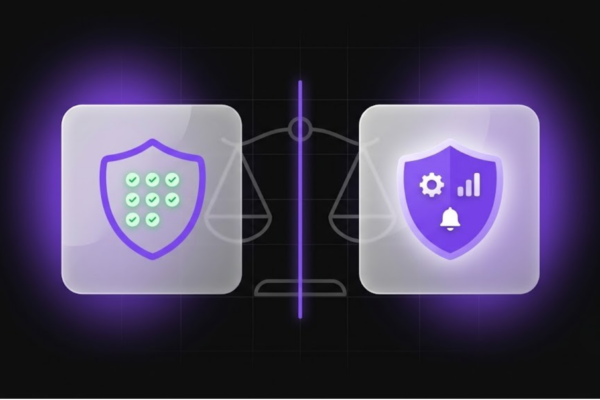
Comparison: Free vs. Premium WordPress Security Solutions
When looking to secure a WordPress site, you’ll encounter both free and premium security tools and services. Understanding the differences helps you make an informed choice:
- Free Solutions: Often provide basic scanning, firewall rules, and login hardening. They are a good starting point for small sites or those on a tight budget. Examples include the free versions of Wordfence and iThemes Security.
- Premium Solutions: Offer comprehensive features like advanced WAFs (cloud-based), deeper malware scanning and removal, DDoS protection, CDN integration, 24/7 expert support, and post-hack cleanup services. These are essential for business-critical sites or those handling sensitive data. Examples include Sucuri, Wordfence Premium, and iThemes Security Pro.
The choice often depends on your budget, technical expertise, and the level of risk you are willing to accept. For a truly robust and secure WordPress site, a combination of diligent practices and premium tools is often the most effective strategy.