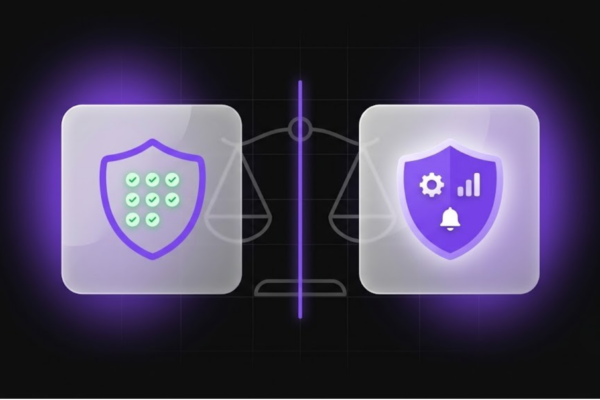
WordPress security plugins are essential tools designed to protect your website from a myriad of online threats, including malware, brute-force attacks, spam, and unauthorized access. By implementing robust wordpress security plugins, site owners can fortify their defenses, ensure data integrity, and maintain user trust.
What are WordPress Security Plugins and Why Do You Need Them?
In the digital age, a website is a prime target for malicious actors. WordPress, powering over 40% of the internet, is no exception. WordPress security plugins act as a digital shield, offering layers of protection that go beyond basic hosting security. They automate complex security tasks, making professional-grade defense accessible to users of all technical levels.
The Core Functionality of WordPress Security Plugins
These powerful tools encompass a range of features aimed at identifying, preventing, and mitigating security vulnerabilities. Key functionalities often include:
- Firewall (WAF): Filters malicious traffic before it reaches your site, acting as the first line of defense against common attacks like SQL injection and cross-site scripting (XSS).
- Malware Scanning: Systematically checks your core files, themes, plugins, and database for malicious code, often with automated cleaning capabilities.
- Brute-Force Protection: Blocks repeated login attempts from suspicious IPs, preventing attackers from guessing your login credentials.
- Login Security: Enforces strong passwords, offers two-factor authentication (2FA), reCAPTCHA integration, and limits login attempts to deter unauthorized access.
- Spam Protection: Prevents comment spam and contact form spam, keeping your site clean and improving user experience.
- File Integrity Monitoring: Alerts you to unauthorized changes in core WordPress files, themes, or plugins, which can indicate a compromise.
- Security Hardening: Implements best practices such as disabling file editing, changing default login URLs, securing database prefixes, and disabling XML-RPC.
- Security Logs & Auditing: Keeps detailed records of all security-related events, user activity, and attempted attacks for analysis and troubleshooting.
Why Security is Paramount for WordPress
The consequences of a compromised WordPress site can be severe and far-reaching. These include:
- Data Loss or Corruption: Sensitive user or business data can be stolen, deleted, or altered, leading to significant operational disruption.
- Reputational Damage: Users lose trust in a site that has been hacked, leading to a decline in visitors, customers, and overall brand perception.
- Blacklisting by Search Engines: Google can flag your site as dangerous, displaying warnings to users and leading to a significant drop in organic traffic.
- SEO Penalties: A compromised site, especially one used for spam or malware distribution, can suffer severe impacts on its search engine rankings, making recovery a lengthy process.
- Legal Ramifications: If customer data is breached, you could face legal action, regulatory fines (e.g., GDPR, CCPA), and substantial financial penalties.
- Resource Consumption: Your server resources can be hijacked for sending spam, launching further attacks, or cryptocurrency mining, leading to slow site performance or hosting account suspension.
Investing in reliable wordpress security plugins is not an option; it’s a necessity for any serious website owner committed to protecting their digital assets and maintaining their online presence.
How to Choose the Best WordPress Security Plugins for Your Site
Selecting the right security plugin depends on your specific needs, technical expertise, and budget. It’s crucial to evaluate several factors to ensure you get the most comprehensive protection without overcomplicating your setup.
Key Features to Look For
When comparing different wordpress security plugins, prioritize those that offer a strong combination of these essential features:
- Comprehensive Firewall: A robust Web Application Firewall (WAF) is non-negotiable. It should be able to identify and block a wide range of attack types in real-time.
- Malware Scanner & Cleaner: The ability to not just detect but also automatically or manually clean infected files is critical for recovery.
- Login Security Enhancements: Beyond basic brute-force protection, look for 2FA, reCAPTCHA, strong password enforcement, and user activity monitoring.
- Activity Logging: Detailed logs help identify potential breaches, track user actions, and troubleshoot security issues.
- Regular Updates: A plugin that is actively maintained and frequently updated by its developers is crucial to counter emerging threats and vulnerabilities.
- Ease of Use: An intuitive interface and clear reporting are important, especially for non-technical users, to ensure proper configuration and monitoring.
- Reliable Support: Access to comprehensive documentation, an active community forum, or a dedicated support team can be invaluable when you encounter issues.
Popular Categories of WordPress Security Plugins
Plugins often specialize or offer all-in-one solutions:
- All-in-One Security Suites: These provide a broad range of features, including firewalls, malware scanners, login security, and hardening options (e.g., Wordfence, iThemes Security Pro).
- Firewall-Specific Plugins: Focus solely on web application firewalls for maximum protection against incoming threats, often cloud-based (e.g., Sucuri).
- Backup Plugins: While not strictly security plugins, regular, automated backups are a crucial part of any robust security and disaster recovery plan (e.g., UpdraftPlus, Duplicator).
- Anti-Spam Plugins: Target comment and form spam specifically, often using advanced algorithms to filter out unwanted submissions (e.g., Akismet, Anti-Spam Bee).
Top WordPress Security Plugins: A Comparative Overview
Here’s a look at some of the most highly regarded wordpress security plugins, each offering unique strengths and catering to different needs:
Wordfence Security
One of the most popular and comprehensive options, Wordfence offers a powerful endpoint firewall and malware scanner built from the ground up to protect WordPress. Its Threat Defense Feed is constantly updated, providing real-time protection against new vulnerabilities as they emerge. Features include:
- Web Application Firewall with real-time threat detection and blocking.
- Malware scanner that deeply checks core files, themes, and plugins for infections, backdoors, and known vulnerabilities.
- Login security features like two-factor authentication (2FA) and robust brute-force protection.
- Live traffic monitoring, allowing you to see hack attempts in real-time and block specific IP addresses or countries.
Sucuri Security
Sucuri is renowned for its cloud-based Web Application Firewall (WAF) and comprehensive malware removal services. It’s an excellent choice for sites needing professional cleanup and ongoing protection against DDoS attacks and advanced persistent threats. Its key offerings include:
- Cloud-based Website Application Firewall (WAF) that blocks attacks before they even reach your server.
- Distributed Denial of Service (DDoS) attack mitigation to keep your site online during high-volume attacks.
- Malware scanning and professional removal services by security experts, including post-hack actions.
- Website integrity monitoring and blacklist monitoring to ensure your site isn’t flagged by search engines.
iThemes Security Pro
iThemes Security Pro focuses on hardening WordPress and fixing common security holes. It offers over 30 ways to secure your site, including advanced features suitable for both beginners and experienced users looking for granular control:
- Two-factor authentication (2FA) for all user roles.
- Site scan for malware, vulnerabilities, and out-of-date software.
- Brute-force protection, strong password enforcement, and magic links for passwordless login.
- User activity logging, file change detection, and database backups.
- Google reCAPTCHA integration and scheduled database backups for disaster recovery.
All In One WP Security & Firewall
This free plugin is a fantastic option for those on a budget, offering a comprehensive set of security features in an easy-to-use interface. It provides a security grading system that helps you identify and fix vulnerabilities, empowering users to improve their site’s defense. Features include:
- User account security, including password strength checker and forced logout.
- Login lockdown to prevent brute-force attacks and IP blocking.
- File system security, database prefix changes, and protection against malicious code uploads.
- Comment spam prevention, firewall functionality with .htaccess rules, and advanced user enumeration protection.
Best Practices for Maximizing Your WordPress Security with Plugins
Installing wordpress security plugins is the first step. To truly optimize your site’s defense and maintain a robust security posture, consider these essential best practices:
Regular Updates and Monitoring
Always keep your WordPress core, themes, and plugins updated to their latest versions. Security vulnerabilities are frequently discovered and patched, so outdated software is a major risk that attackers actively exploit. Regularly review your security plugin’s logs and reports to catch suspicious activity early and address potential issues proactively.
Combining Plugins Strategically
While it’s generally not recommended to run multiple all-in-one security plugins due to potential conflicts and performance degradation, you can combine specialized plugins effectively. For instance, a robust firewall plugin can be paired with a dedicated backup solution or an anti-spam plugin. Just ensure their core functionalities don’t overlap to avoid conflicts or unnecessary resource consumption. To truly secure your WordPress site against advanced threats, a multi-layered approach is always best, incorporating solutions that complement each other rather than duplicating efforts.
Beyond Plugins: Holistic Security Measures
Plugins are powerful, but they are part of a larger security ecosystem. Don’t forget these crucial measures that contribute to a comprehensive security strategy:
- Strong Passwords: Use complex, unique passwords for all user accounts, especially administrator accounts, and enforce password rotation policies.
- Reputable Hosting: Choose a host known for its security features, regular backups, server-level firewalls, and good uptime, as your hosting provider is your first line of defense.
- SSL Certificate: Implement an SSL certificate (HTTPS) to encrypt data transmitted between your site and its users, protecting sensitive information and boosting SEO.
- Regular Backups: Implement a reliable, automated backup strategy for both your files and database, storing backups in an off-site location so you can restore your site quickly if something goes wrong.
- User Permissions: Grant only necessary permissions to users based on the principle of least privilege, minimizing the damage an compromised account can cause.
- Remove Unused Themes & Plugins: Deactivate and delete any themes or plugins that are not actively in use, as they can serve as potential attack vectors.
Protecting Your Investment: The Long-Term Value of WordPress Security Plugins
The financial and reputational cost of a security breach—in terms of lost data, damaged brand trust, recovery efforts, and potential legal fees—far outweighs the investment in quality wordpress security plugins. These tools provide invaluable peace of mind, allowing you to focus on creating content, growing your business, and engaging with your audience rather than constantly worrying about potential attacks. By proactively implementing robust security measures, you safeguard your digital assets and ensure a stable, trustworthy online presence for your audience for years to come.
Ultimately, a secure WordPress site is a thriving WordPress site. Equip yourself with the right wordpress security plugins and follow best practices to build an impenetrable fortress around your valuable online presence. Your website’s future depends on it.