



Blogs
Services
Web Development, Website Strategy, WordPress Tips 09 Sep 2025
WordPress Firewall Security: Does It Really Stop Hackers?

Writen by Tech Contributors
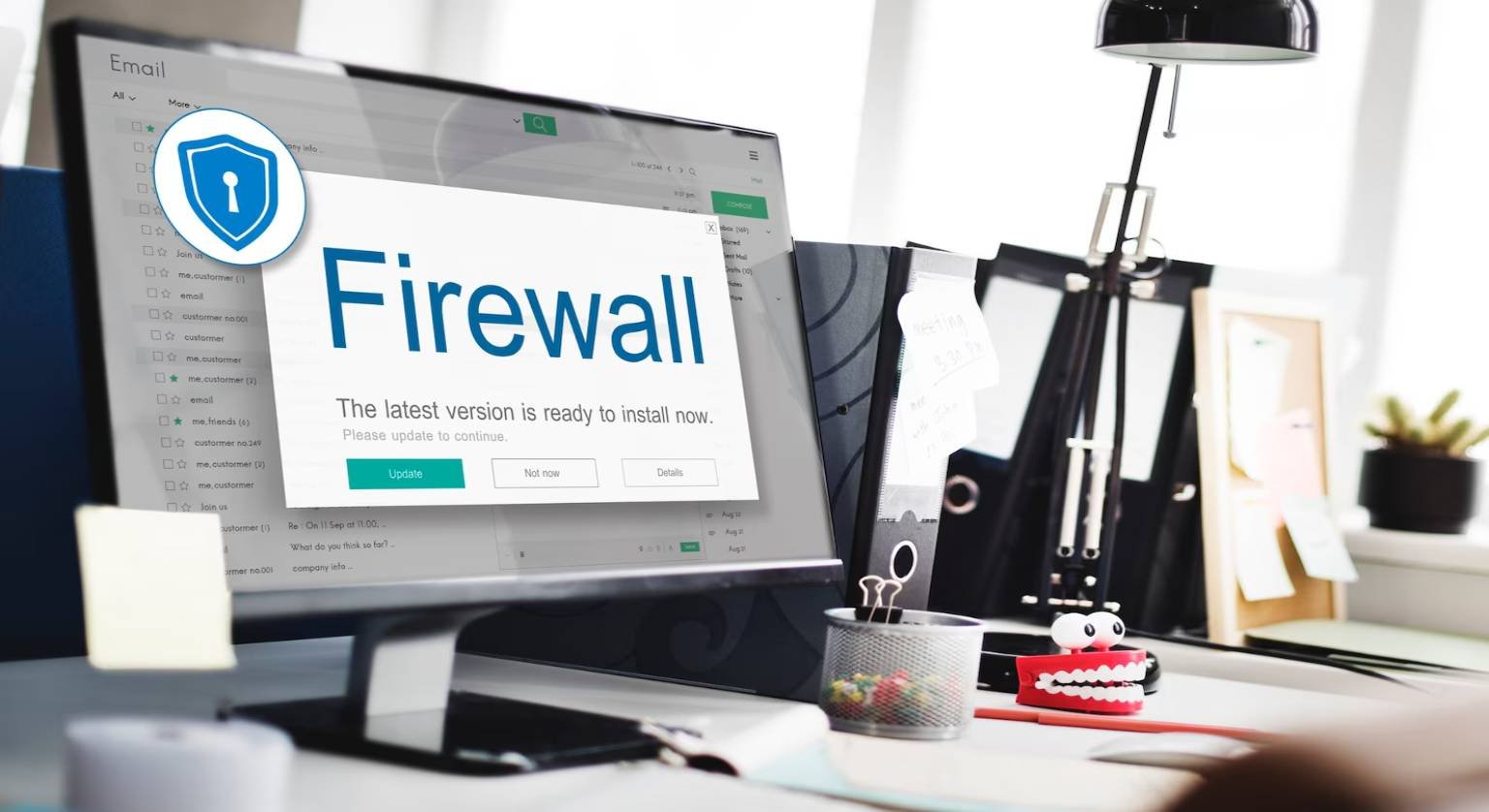
As WordPress continues to dominate the web, it also becomes a primary target for hackers. From brute force attacks to malware injections, your website faces countless threats daily. One of the most recommended solutions is WordPress firewall security. But the big question remains—does it really stop hackers? Let’s break it down and understand how a firewall works, why it’s necessary, and whether it’s enough to keep your WordPress website safe.
What Is a WordPress Firewall?
A WordPress firewall is a security layer designed to filter and block malicious traffic before it reaches your site. It acts as a protective barrier between your website and potential attackers, preventing them from exploiting vulnerabilities. Firewalls can block brute force attempts, SQL injections, cross-site scripting (XSS), and many other common attacks.
Types of WordPress Firewalls
1. Application-Level Firewall
This firewall runs on your WordPress site itself. It monitors incoming traffic and blocks suspicious activity once it reaches your website. While effective, it can consume server resources and may not stop all threats before they hit your server.
2. DNS-Level Firewall
A DNS-level firewall works outside your hosting environment by filtering malicious requests before they ever reach your site. This method is faster and more secure since harmful traffic is stopped at the network level, reducing server load.
Does a Firewall Really Stop Hackers?
The short answer is yes—firewalls significantly reduce the chances of your site being hacked. A WordPress firewall security plugin can block automated bots, brute force login attempts, and malware distribution. However, while firewalls are powerful, they are not a silver bullet. Hackers constantly find new vulnerabilities, which is why firewalls should be part of a larger WordPress security strategy.
Benefits of WordPress Firewall Security
- Blocks Brute Force Attacks: Limits login attempts and prevents hackers from guessing your password.
- Stops Malware: Detects and blocks suspicious code before it infects your website.
- Protects Against SQL Injection and XSS: Filters harmful requests that attempt to exploit WordPress vulnerabilities.
- Real-Time Threat Detection: Constantly monitors activity to stop attacks as they happen.
- Improves Website Performance: By blocking bad traffic, your site runs faster for genuine users.
Limitations of a Firewall
While a firewall offers strong protection, relying on it alone is risky. Hackers can still exploit weak passwords, outdated plugins, or unsecured hosting environments. That’s why you also need regular malware scanning, backups, and WordPress hardening practices.
Best Practices Alongside Firewall Security
If you truly want to secure your WordPress site, combine a firewall with these practices:
- Keep WordPress, plugins, and themes updated.
- Use strong passwords and enable two-factor authentication.
- Run regular WordPress security scans to detect vulnerabilities.
- Remove unused plugins and themes to reduce risks.
- Perform frequent backups to restore your site quickly if attacked.
Why Professional Help Matters
Firewalls are an important layer of security, but advanced attacks can still break through if your website has weak points. That’s where we come in. If you’re worried about WordPress security vulnerabilities, malware infections, or brute force attacks, our team can help right now. Visit WordPress Security Solutions for expert WordPress malware removal, firewall setup, penetration testing, and security audits. We ensure your site stays protected 24/7 so you can focus on growing your business with peace of mind.