


Blogs
Services
Web Development, Website Strategy, WordPress Tips 20 Dec 2025
Unlocking the ‘Kota’ Edge in Mobile App UI Design, India: A Strategic Approach

Writen by Tech Contributors
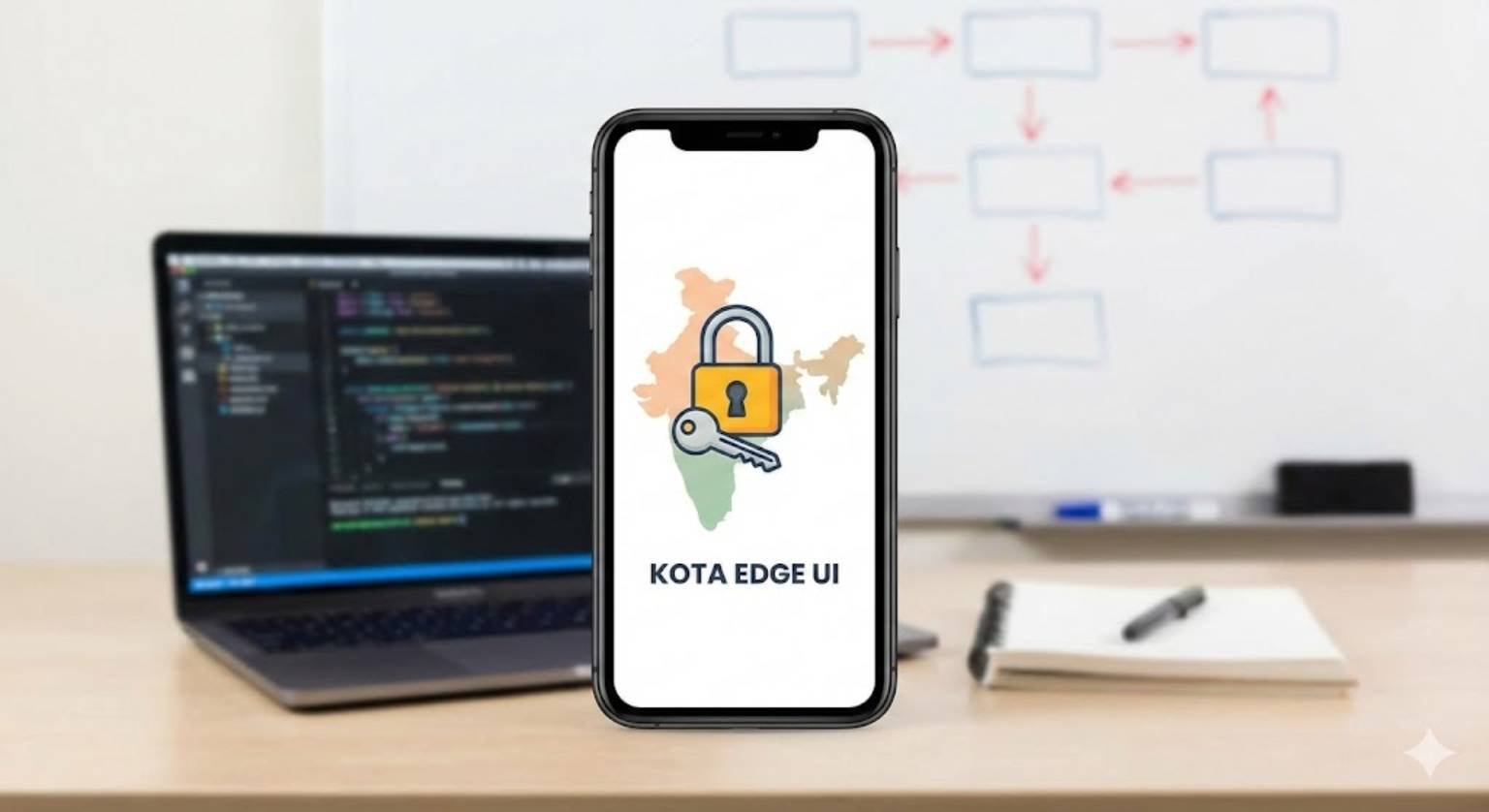
In the vibrant and diverse digital landscape of India, mobile app UI design is constantly evolving. A unique and powerful approach gaining subtle traction is the ‘Kota’ philosophy. Drawing inspiration from the city’s essence of focused learning, clarity, and purpose-driven execution, the ‘Kota’ approach in mobile app UI design, India, advocates for highly efficient, intuitive, and culturally resonant user experiences. This methodology aims to streamline user journeys, enhance information absorption, and foster a sense of discipline and objective achievement within the digital interface, making apps not just functional, but deeply impactful for the discerning Indian user.
What is Kota in Mobile App UI Design?
In the realm of mobile app UI design, ‘Kota’ doesn’t refer to a geographical location but rather embodies a philosophy inspired by the city’s reputation as a hub of focused learning and disciplined pursuit of goals. It translates into a design ethos characterized by unparalleled clarity, structured information architecture, and a strong emphasis on functional efficiency. For mobile app UI design, India, this means creating interfaces that are:
- Goal-Oriented: Every element, interaction, and flow is meticulously designed to help users achieve their objectives with minimal distraction.
- Clarity-Driven: Information is presented in a straightforward, unambiguous manner, reducing cognitive load and improving comprehension.
- Efficiency-Focused: The user journey is optimized for speed and productivity, mirroring the disciplined approach to learning often associated with Kota.
- Structured & Systematic: Layouts are clean, organized, and predictable, providing a sense of order that users appreciate, especially in information-heavy applications.
- Culturally Relevant: While functional, it subtly integrates design cues that resonate with the Indian audience, ensuring relatability without compromising on modern aesthetics.
This approach moves beyond mere aesthetics to champion a user experience that is not only visually appealing but deeply purposeful for the mobile app UI design, India.
Why Choose a Kota-Inspired Approach for Mobile App UI Design in India?
The Indian mobile app market is fiercely competitive, demanding designs that cut through the noise. A Kota-inspired approach offers distinct advantages for mobile app UI design, India, making an app stand out:
- Enhanced User Engagement: By prioritizing clarity and purpose, users find it easier to navigate and accomplish tasks, leading to higher engagement rates and reduced bounce rates.
- Improved Learning Curve: Apps designed with Kota principles are inherently more intuitive. New users can quickly grasp functionalities without extensive tutorials, crucial for the diverse Indian demographic.
- Stronger Brand Perception: A disciplined, clear, and efficient UI design projects an image of reliability, professionalism, and user-centricity, building trust with the target audience.
- Optimized for Performance: Focusing on efficiency often translates to lighter, faster interfaces, which is vital for users in India who might have varying network conditions or device specifications.
- Resonance with Indian Values: The emphasis on discipline, goal-setting, and effective resource utilization aligns well with the aspirations and cultural values prevalent in India, particularly among the youth and professional segments.
- Competitive Differentiation: In a market saturated with generic designs, a Kota-inspired mobile app UI design, India, offers a unique value proposition that distinguishes an app from its competitors.
How to Incorporate Kota Aesthetics into Mobile App UI Design?
Integrating the ‘Kota’ essence into mobile app UI design involves more than just visual elements; it’s about a fundamental shift in design thinking. Here’s how to do it effectively for mobile app UI design, India:
- Clear Information Hierarchy: Prioritize content and actions. Use visual weight, sizing, and placement to guide the user’s eye towards the most important elements, similar to well-structured study material.
- Minimalist & Functional Layouts: Embrace clean, uncluttered designs. Avoid unnecessary decorations or visual noise. Every element should have a purpose, contributing to the user’s goal.
- Consistent Navigation: Develop intuitive and consistent navigation patterns. Users should always know where they are, where they’ve been, and where they can go next.
- Strategic Use of Color & Typography: Use a limited, purposeful color palette that aids clarity and highlights key information. Choose highly readable fonts suitable for various screen sizes and user demographics across India.
- Feedback & Reinforcement: Provide immediate, clear feedback for user actions. This reinforces their progress and encourages continued engagement, much like positive reinforcement in a learning environment.
- Localization with Subtlety: Incorporate cultural nuances or regional idioms in microcopy or iconography thoughtfully, without overwhelming the functional design. Ensure the language used is precise and culturally appropriate for mobile app UI design, India.
Cost of Integrating Kota Elements in Mobile App UI Design in India
The cost of implementing a Kota-inspired approach in mobile app UI design in India can vary significantly, depending on several factors:
- Design Agency Expertise: Working with agencies or designers well-versed in user-centric design principles and cultural nuances will command higher fees but often deliver superior results.
- Project Scope & Complexity: A highly complex app with numerous features and intricate user flows will naturally require more design effort and, thus, higher costs.
- Research & Discovery Phase: A thorough initial research phase to understand the target Indian audience and adapt Kota principles precisely adds to the cost but is crucial for effective implementation.
- Iterative Design & Prototyping: The Kota approach often involves iterative design cycles and extensive prototyping to refine efficiency and clarity, which adds to the project timeline and cost.
- Localization Requirements: If the app targets multiple regional languages or specific cultural groups within India, additional localization efforts for text, imagery, and iconography will increase costs.
- Testing & User Feedback: Rigorous user testing to validate the ‘Kota’ effectiveness and gather feedback for refinements is an essential but cost-contributing phase in mobile app UI design, India.
While the initial investment might seem higher, the long-term benefits in user retention and brand loyalty often justify the expenditure.
Timeline for Developing Kota-Inspired Mobile App UI Design
The timeline for developing a Kota-inspired mobile app UI design in India is project-dependent but generally follows a structured, iterative process:
- Discovery & Research (2-4 weeks): This initial phase involves understanding the project goals, target audience in India, competitive analysis, and defining the core ‘Kota’ principles applicable to the specific app.
- Information Architecture & Wireframing (3-5 weeks): Crafting clear user flows, defining content hierarchy, and creating low-fidelity wireframes that embody the structured and efficient nature of the Kota approach.
- UI Design & Prototyping (6-10 weeks): Translating wireframes into high-fidelity designs, applying visual aesthetics that support clarity and purpose, and building interactive prototypes for early testing.
- User Testing & Iteration (4-6 weeks): Conducting usability tests with real Indian users to validate the efficiency and intuitiveness of the design, followed by iterations based on feedback.
- Design Hand-off & Support (1-2 weeks): Preparing design assets, specifications, and guidelines for the development team. Ongoing support during the development phase.
A typical project for a moderately complex mobile app UI design, India, following this approach might span 3 to 6 months. Agile methodologies are often employed to allow for flexibility and continuous refinement.
Benefits of Kota-Inspired Mobile App UI Design for the Indian Market
Adopting a ‘Kota’ inspired approach for mobile app UI design, India, yields substantial advantages that resonate deeply within the diverse Indian market:
- Superior User Experience (UX): The focus on clarity and efficiency directly translates to a smoother, more enjoyable user journey, reducing frustration and enhancing satisfaction.
- Higher User Retention: When apps are intuitive and help users achieve their goals quickly, they are more likely to return, improving long-term user retention rates.
- Increased Conversions & Goal Completion: Clear calls to action and streamlined workflows mean users are more likely to complete desired actions, whether it’s making a purchase, filling a form, or consuming content.
- Stronger Brand Loyalty: Apps that consistently deliver a dependable, efficient, and thoughtful experience build trust and foster strong brand loyalty among Indian users.
- Accessibility & Inclusivity: The emphasis on clarity and structured design often inherently makes apps more accessible to a broader audience, including those with varying digital literacy levels or disabilities.
- Scalability & Maintainability: A well-structured design built on clear principles is easier to scale with new features and maintain over time, offering long-term value for mobile app UI design, India.
Best Practices for Implementing Kota in Mobile App UI Design, India
To successfully integrate the ‘Kota’ philosophy into mobile app UI design for the Indian market, consider these best practices:
- Deep User Research: Understand the specific needs, pain points, and digital habits of your target Indian audience. What are their goals? How do they prefer information?
- Prioritize Functionality Over Ornamentation: Every design choice should serve a clear purpose. If an element doesn’t contribute to clarity or efficiency, reconsider its inclusion.
- Iterative Design Process: Embrace continuous testing and feedback loops. Design, test with Indian users, gather insights, and refine. This ensures the ‘Kota’ principles are truly effective.
- Simplicity in Visual Language: Use clean lines, ample white space, and a restrained color palette. This enhances readability and reduces visual clutter, aligning with clarity.
- Consistent Design System: Develop a robust design system with clear guidelines for components, typography, and spacing. This ensures uniformity and reinforces the structured nature of the Kota approach across the entire mobile app UI design, India.
- Focus on Micro-interactions: Even small animations and feedback mechanisms should be purposeful, guiding users and providing delightful, yet efficient, interactions.
- Accessibility First: Design for all users. Ensure sufficient contrast, clear tap targets, and alternative text, making the app usable for everyone in India.
- Performance Optimization: A ‘Kota’ inspired app should not only look efficient but also perform efficiently. Optimize images, animations, and code for fast loading times.
- What exactly defines the ‘Kota’ approach in UI design?
- The ‘Kota’ approach in mobile app UI design, India, emphasizes clarity, structure, goal-oriented efficiency, and purpose-driven user experiences. It’s about designing interfaces that streamline user journeys, reduce cognitive load, and help users achieve their objectives with discipline and precision, much like the focused learning environment the city is known for.
- Is the Kota approach only suitable for educational apps in India?
- No, while inspired by an educational hub, the principles of clarity, efficiency, and goal-orientation are universally applicable. It’s highly beneficial for any mobile app UI design, India, where users need to complete tasks, access information, or manage content efficiently, such as e-commerce, finance, productivity, or healthcare apps.
- How can cultural elements from Kota be incorporated without cluttering the UI?
- Cultural elements can be subtly integrated through thoughtful iconography, localized microcopy that uses Indian idioms or contexts, carefully chosen color palettes inspired by local art or textiles, or even unique interaction patterns that feel intuitive to Indian users. The key is subtlety and ensuring these elements enhance, rather than detract from, the core principles of clarity and efficiency in mobile app UI design, India.
- What are the key challenges in applying Kota principles to mobile app UI design in India?
- Challenges include balancing minimalism with the desire for rich content, ensuring that local cultural nuances are incorporated without sacrificing universal design principles, and overcoming the tendency for feature creep that can dilute the focus on efficiency. Extensive user research and iterative testing with the Indian audience are crucial to navigate these challenges effectively.
- Does a Kota-inspired UI design increase development costs significantly?
- While the initial design phase might require a slightly higher investment due to the emphasis on thorough research, structured planning, and iterative refinement, it often leads to reduced development costs in the long run. A clear, well-defined UI minimizes rework, streamlines developer efforts, and reduces post-launch bug fixes, ultimately providing better ROI for mobile app UI design, India.
For more insights, explore our Website Development Services page to discover tailored digital solutions that help businesses grow in mobile app ui design, India.
FAQs
We’ve answered the most common questions to help you better understand this topic. Get clear insights before making any decisions.
The 'Kota' approach in mobile app UI design, India, emphasizes clarity, structure, goal-oriented efficiency, and purpose-driven user experiences. It's about designing interfaces that streamline user journeys, reduce cognitive load, and help users achieve their objectives with discipline and precision, much like the focused learning environment the city is known for.
No, while inspired by an educational hub, the principles of clarity, efficiency, and goal-orientation are universally applicable. It's highly beneficial for any mobile app UI design, India, where users need to complete tasks, access information, or manage content efficiently, such as e-commerce, finance, productivity, or healthcare apps.
Cultural elements can be subtly integrated through thoughtful iconography, localized microcopy that uses Indian idioms or contexts, carefully chosen color palettes inspired by local art or textiles, or even unique interaction patterns that feel intuitive to Indian users. The key is subtlety and ensuring these elements enhance, rather than detract from, the core principles of clarity and efficiency in mobile app UI design, India.
Challenges include balancing minimalism with the desire for rich content, ensuring that local cultural nuances are incorporated without sacrificing universal design principles, and overcoming the tendency for feature creep that can dilute the focus on efficiency. Extensive user research and iterative testing with the Indian audience are crucial to navigate these challenges effectively.
While the initial design phase might require a slightly higher investment due to the emphasis on thorough research, structured planning, and iterative refinement, it often leads to reduced development costs in the long run. A clear, well-defined UI minimizes rework, streamlines developer efforts, and reduces post-launch bug fixes, ultimately providing better ROI for mobile app UI design, India.