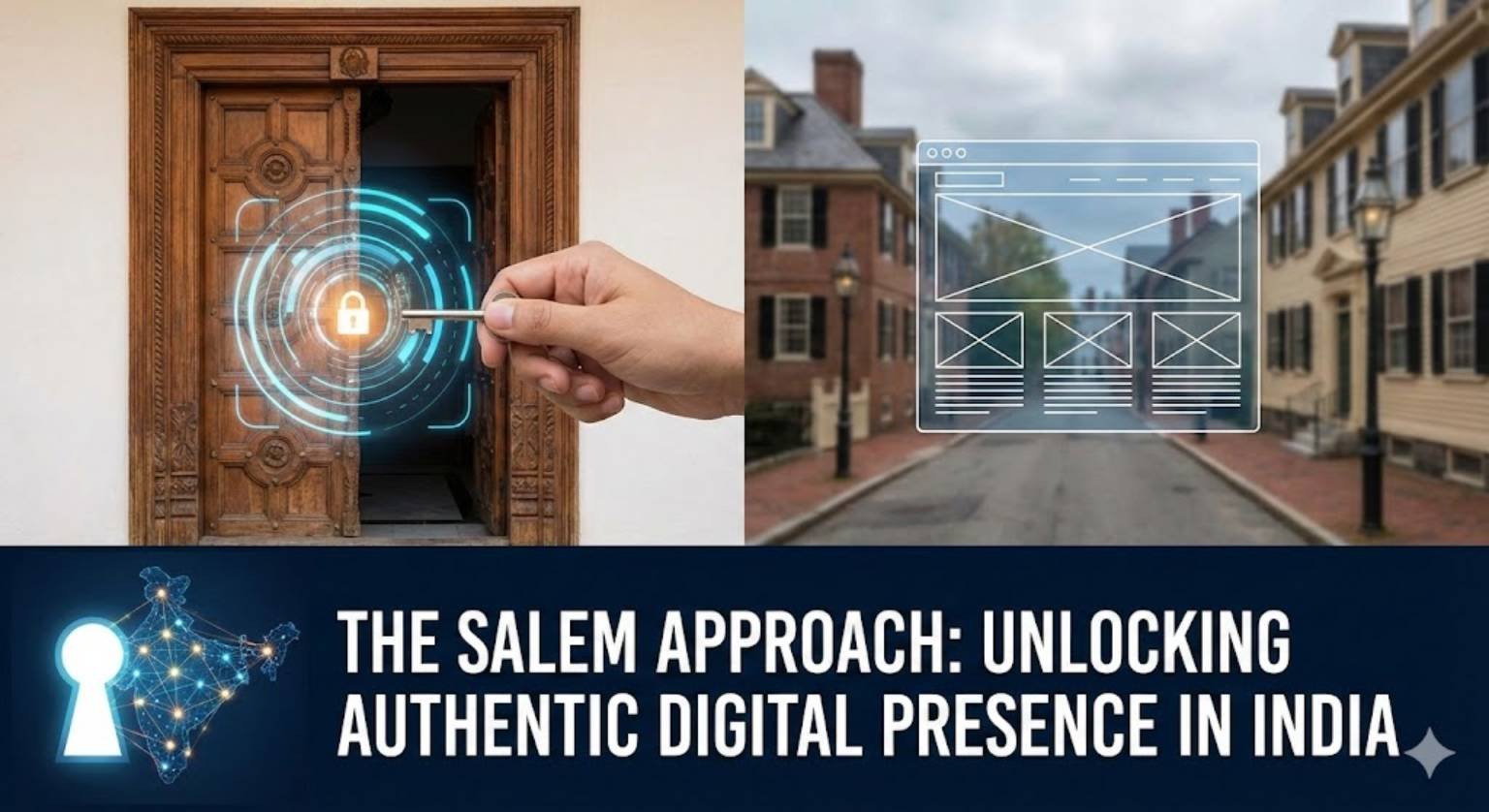
The ‘Salem Approach’ to marketing website design in India offers a distinctive methodology for businesses aiming to forge an authentic and deeply resonant digital presence. This strategy moves beyond generic templates, emphasizing culturally integrated storytelling, genuine connection, and an indigenous aesthetic to create websites that truly speak to the Indian audience, ensuring not just visibility but profound engagement and conversion in the competitive online landscape.
What is the Salem Approach in Marketing Website Design, India?
The Salem Approach is a unique philosophy in marketing website design, specifically tailored for the Indian market. It is not about the city of Salem itself, but rather embodies a design ethos inspired by values often associated with established, culturally rich regions: authenticity, heritage, deep-rooted storytelling, and meticulous craftsmanship. In the context of marketing website design, India, this means creating digital platforms that are not just visually appealing but also culturally sensitive, emotionally intelligent, and deeply connected to the brand’s core values, often reflecting a sense of local pride or traditional wisdom.
This approach prioritizes:
- Cultural Resonance: Integrating Indian design elements, color palettes, and thematic motifs that resonate positively with the target audience.
- Authentic Storytelling: Crafting narratives that build trust and emotional connection, moving beyond superficial product descriptions.
- User-Centric Indigenous Design: Ensuring the user experience (UX) feels intuitive and familiar to Indian users, considering local internet speeds and device preferences.
- Brand Legacy: Weaving in the brand’s history, values, and vision in a way that feels enduring and trustworthy.
It’s about making a website feel genuinely Indian, approachable, and impactful within the diverse digital landscape of India.
Why Choose the Salem Approach for Your Marketing Website Design in India?
In a market saturated with global design trends, the Salem Approach offers a distinct competitive edge for businesses seeking impactful marketing website design, India. This methodology helps brands stand out by cultivating a unique identity that connects profoundly with the local populace.
Key reasons to adopt this approach include:
- Enhanced Authenticity: Indian consumers increasingly value brands that reflect local values and understand their unique context. A Salem-designed website speaks directly to this need, building immediate trust.
- Stronger Emotional Connection: By integrating cultural nuances and storytelling, your website can evoke deeper emotions, leading to greater brand loyalty and engagement.
- Improved Local SEO: Websites designed with local relevance in mind often perform better in local search results, as content and design naturally align with regional search queries.
- Higher Conversion Rates: A website that feels familiar, trustworthy, and addresses local pain points is more likely to convert visitors into customers.
- Differentiation in a Crowded Market: Stand apart from competitors using generic templates. The Salem Approach provides a unique brand voice and visual identity.
- Sustainability and Longevity: Designs rooted in culture and authenticity tend to have a longer shelf life, requiring less frequent, drastic overhauls.
Choosing this path for your marketing website design, India, ensures your digital presence is not just seen, but felt and remembered.
How to Implement the Salem Approach in Marketing Website Design, India
Best Practices for Salem-Inspired Marketing Website Design
Implementing the Salem Approach requires a thoughtful, strategic process that goes beyond mere aesthetics. It’s about understanding the core of your brand and its target audience in India.
Here’s how to effectively integrate this philosophy into your marketing website design, India:
- Deep Cultural Research: Begin by thoroughly researching the cultural context, traditions, and aspirations of your specific Indian target audience. Understand their digital behavior and linguistic preferences.
- Story-Driven Content Strategy: Develop compelling narratives that highlight your brand’s journey, values, and impact. Use anecdotes and case studies that resonate locally.
- Indigenous Visual Language: Incorporate visual elements inspired by Indian art, architecture, textiles, or natural landscapes. This could include specific color palettes, iconography, or patterns.
- Optimized for Local Access: Ensure the website is highly responsive, loads quickly even on slower internet connections, and is accessible on a variety of devices prevalent in India, including feature phones (where applicable) and low-cost smartphones.
- Multi-Lingual Capabilities: Consider offering content in regional Indian languages to broaden your reach and demonstrate genuine local commitment.
- Community Integration: Feature testimonials, user-generated content, and community initiatives that showcase your brand’s connection to local society.
- Authentic Photography and Videography: Use real images and videos depicting Indian people, settings, and scenarios, avoiding generic stock imagery.
- Clear Calls to Action (CTAs): Design CTAs that are culturally appropriate and guide users intuitively towards conversion goals.
By following these steps, your marketing website design in India will truly embody the Salem Approach, creating a powerful and effective digital platform.
Cost of Salem-Inspired Marketing Website Design, India
The investment for a Salem-inspired marketing website design in India can vary significantly based on several factors, reflecting the custom nature and depth of this approach. It’s generally an investment in quality, authenticity, and long-term impact rather than a quick, template-based solution.
Factors influencing cost include:
- Complexity of Design: Highly custom layouts, unique animations, and intricate UI/UX elements will naturally increase costs.
- Content Creation: Extensive cultural research, professional copywriting, original photography, and videography tailored to Indian sensibilities add value and cost.
- Features and Functionality: E-commerce integration, custom forms, CRM integration, multi-language support, and interactive elements will impact the overall price.
- Agency Expertise: Reputable agencies or specialized design studios with a proven track record in culturally sensitive marketing website design, India, typically command higher fees due to their experience and quality.
- Maintenance and Support: Post-launch support, security updates, and ongoing content management are often part of a comprehensive package.
While an exact figure is hard to provide without specific project details, expect the cost for a truly customized, Salem-inspired marketing website design in India to range from ₹1,50,000 for a robust small business site to upwards of ₹10,00,000+ for enterprise-level platforms with extensive features and content. It’s an investment in a distinct, lasting digital identity.
Timeline for Salem-Inspired Marketing Website Design, India
The timeline for developing a Salem-inspired marketing website design in India is typically more extensive than for generic websites, given the emphasis on deep cultural integration and custom storytelling. This strategic approach requires time for research, concept development, and meticulous execution.
A typical project timeline might look like this:
- Discovery & Research (2-4 weeks): This phase involves understanding your brand, target audience, competitive landscape, and conducting in-depth cultural analysis relevant to your Indian market.
- Strategy & Planning (2-3 weeks): Defining the website’s architecture, user flows, content strategy, and initial wireframes based on Salem principles.
- Design & Prototyping (4-8 weeks): Crafting unique UI/UX designs, incorporating cultural aesthetics, and developing interactive prototypes for review and feedback.
- Content Creation (4-12 weeks, often overlapping): Writing compelling, culturally relevant copy, sourcing authentic imagery, and producing any required video content.
- Development & Coding (6-12 weeks): Translating approved designs into functional, responsive, and optimized code, ensuring technical SEO best practices for the Indian context.
- Testing & Launch (2-3 weeks): Thorough quality assurance, cross-browser and device testing, performance checks, and finally, launching the website.
- Post-Launch Optimization: Ongoing monitoring, analytics review, and continuous improvements to ensure sustained performance in marketing website design, India.
Overall, a comprehensive Salem-inspired marketing website design project in India can take anywhere from 4 to 8 months, or even longer for very large and complex platforms. This duration reflects the commitment to crafting a truly unique and effective digital presence.
Benefits of a Salem-Inspired Marketing Website Design, India
Adopting the Salem Approach for your marketing website design in India offers a multitude of benefits that extend beyond mere aesthetics, leading to tangible business growth and enhanced brand perception.
Key advantages include:
- Stronger Brand Identity: Cultivates a unique, memorable brand image that stands out in the Indian market, fostering immediate recognition.
- Increased User Engagement: Culturally relevant content and design naturally draw users in, leading to longer visit durations and more interaction.
- Higher Trust & Credibility: Authenticity and local understanding build trust, which is crucial for decision-making among Indian consumers.
- Improved Conversion Rates: A website that deeply resonates with its audience is more effective in guiding them towards desired actions, whether it’s a purchase, inquiry, or subscription.
- Competitive Advantage: Differentiates your brand from competitors relying on generic global designs, positioning you as an insightful and empathetic market player.
- Enhanced SEO Performance: Websites with high engagement, relevant local content, and strong user signals tend to rank better in search engines, particularly for local queries.
- Long-Term Value: Designs rooted in enduring cultural principles offer greater longevity, reducing the need for frequent overhauls and ensuring sustained relevance.
- Positive Word-of-Mouth: A truly unique and culturally rich website is more likely to be shared and recommended within communities.
These benefits collectively contribute to a more robust and successful digital marketing strategy for any business operating within the diverse Indian market, making a Salem-inspired marketing website design, India, a strategic imperative.
Best Practices for Salem-Inspired Marketing Website Design in India
To truly harness the power of the Salem Approach in your marketing website design, India, adherence to specific best practices is crucial. These guidelines ensure that the essence of authenticity and cultural relevance is woven into every aspect of your digital presence.
- Mobile-First Design: With a vast majority of internet users in India accessing content via mobile, ensure your website is impeccably optimized for smartphones and tablets.
- High-Quality, Authentic Visuals: Invest in professional photography and videography that features local people, scenes, and cultural contexts rather than generic stock photos.
- Accessible Language & Tone: Use clear, concise language. If targeting diverse regions, consider multi-lingual options and ensure the tone is respectful and approachable.
- Fast Loading Speeds: Optimize images, code, and server responses to ensure quick loading times, crucial for users in areas with variable internet speeds.
- Clear Navigation and UX: Design an intuitive user interface that is easy to navigate, with a logical flow that caters to typical Indian user behavior.
- Incorporate Trust Signals: Display local certifications, testimonials from Indian customers, social proof, and clear contact information to build credibility.
- SEO Optimization for India: Focus on keywords relevant to the Indian market, optimize for local search, and ensure technical SEO best practices are followed.
- Leverage Regional Content: Integrate blogs, news, or case studies that are relevant to specific regions or cultural groups within India to show deep understanding.
- Iterative Design & Feedback: Continuously gather user feedback from your target Indian audience and refine the design and content to improve user experience.
- Security & Privacy: Implement robust security measures and clearly communicate your privacy policy, adhering to Indian data protection guidelines.
By integrating these best practices, your marketing website design in India will not only embody the Salem Approach but also deliver exceptional performance and user satisfaction.
In conclusion, embracing the Salem Approach for marketing website design in India is more than just a trend; it’s a strategic pathway to building a powerful, resonant, and genuinely impactful digital presence. By focusing on cultural authenticity, compelling storytelling, and user-centric design tailored for the Indian context, businesses can cultivate deeper connections with their audience, differentiate themselves from competitors, and ultimately achieve sustainable growth. It’s about creating a website that not only looks good but feels right, speaks truly, and converts effectively for the diverse and dynamic Indian market.
- What defines the ‘Salem Approach’ in marketing website design for India?
The ‘Salem Approach’ in marketing website design for India defines a methodology that prioritizes authenticity, deep cultural resonance, and impactful storytelling. It involves integrating indigenous aesthetics, local context, and heritage-inspired narratives to create websites that genuinely connect with the Indian audience, moving beyond generic global design trends to offer a unique and memorable digital experience. - How does cultural integration benefit marketing website design in India?
Cultural integration in marketing website design in India fosters stronger emotional connections, builds trust and credibility, and enhances user engagement. By reflecting local values, traditions, and visual languages, the website feels more relevant and approachable to the target audience, leading to higher brand loyalty and improved conversion rates. - Is the ‘Salem Approach’ only suitable for traditional Indian businesses?
No, the ‘Salem Approach’ is not limited to traditional Indian businesses. While it leverages cultural heritage, its core principles of authenticity and resonance are universally applicable. Modern businesses, startups, and even international brands targeting the Indian market can adopt this approach to establish a unique, trusted, and impactful digital identity that stands out from the competition. - What are the key elements to consider for SEO with the ‘Salem Approach’ in India?
For SEO with the ‘Salem Approach’ in India, key elements include optimizing for local keywords and regional search terms, ensuring mobile-first responsiveness, fast loading speeds for diverse internet conditions, creating culturally relevant and high-quality content, and building a strong local backlink profile. Engaging user experience, a hallmark of this approach, also contributes significantly to higher search rankings. - How can a small business in India implement the ‘Salem Approach’ without a large budget?
Small businesses in India can implement the ‘Salem Approach’ by focusing on genuine, local storytelling, using authentic imagery and testimonials from their community, and prioritizing clear, culturally sensitive language. Opt for platforms that allow for customization to reflect local aesthetics, ensure mobile optimization, and create valuable, region-specific content. Strategic planning and a focus on authenticity can yield significant impact even with limited resources in marketing website design, India.
For more insights, explore our Website Development Services page to discover tailored digital solutions that help businesses grow in marketing website design, India.