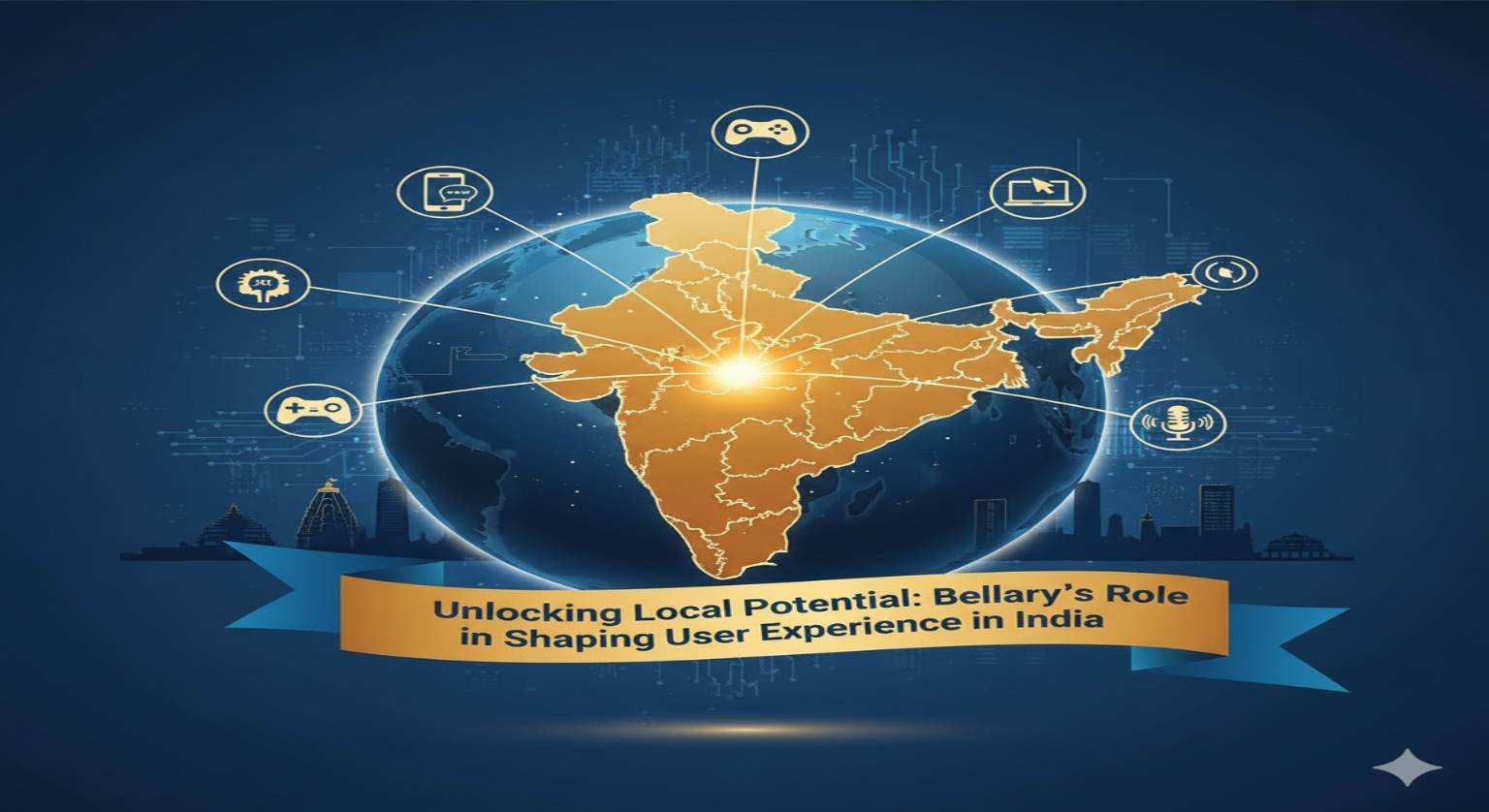
Bellary, a city steeped in history and economic significance within Karnataka, serves as a fascinating lens through which to examine the intricate landscape of user experience (UX) in India. Far from metropolitan hubs, understanding the ‘Bellary’ user experience means delving into local contexts, diverse demographics, and unique digital adoption patterns. This perspective is vital for crafting truly inclusive and effective products and services that resonate with the vast majority of users beyond Tier 1 cities, thereby enriching the overall user experience in India.
What is ‘Bellary’ in User Experience, India?
In the realm of user experience in India, ‘Bellary’ represents more than just a geographical location; it symbolizes the unique set of user behaviors, technological access, cultural nuances, and infrastructure realities present in Tier 2 and Tier 3 cities across the nation. It highlights the critical need for designers and developers to move beyond a one-size-fits-all approach, recognizing that a user in Bellary may have vastly different needs, digital literacy levels, and preferences compared to someone in Bangalore or Mumbai. The ‘Bellary’ user experience often involves:
- Varying levels of internet penetration and mobile device ownership.
- A preference for local languages in digital interfaces.
- Different expectations regarding service delivery and digital trust.
- Contexts where physical interaction often precedes or supplements digital engagement.
- Specific cultural and social norms that influence product adoption.
Understanding these distinct characteristics is paramount for any organization aiming to build a robust and inclusive user experience in India.
Why Choose a Localized Approach to User Experience in India?
Opting for a localized approach, informed by insights from regions like Bellary, is not merely beneficial but essential for success in the Indian market. India’s diversity is its strength, yet it also presents complex challenges for UX design. A localized strategy for user experience in India ensures that:
- Relevance is maximized: Products and services speak directly to the user’s immediate context and needs, making them more appealing.
- Accessibility is enhanced: Design accounts for varying technical proficiencies, language preferences, and physical infrastructure limitations.
- Trust is built: Users feel understood and valued when solutions reflect their cultural background and daily realities.
- Market penetration increases: Reaching a broader audience beyond metropolitan areas unlocks significant growth opportunities.
- Customer loyalty is fostered: A truly localized user experience leads to higher satisfaction and sustained engagement.
Ignoring the ‘Bellary’ perspective risks creating experiences that are alienating or impractical for a significant portion of India’s population.
How to Design User Experiences for Diverse Indian Audiences (e.g., Bellary’s Residents)
Designing effective user experiences for regions like Bellary requires a methodical and empathetic approach. It goes beyond simple translation and delves into deep cultural and contextual understanding. Here’s a framework for achieving this:
- Conduct Thorough Local Research: Engage directly with potential users in Bellary. Use ethnographic studies, contextual inquiries, and local surveys to understand their daily routines, digital habits, pain points, and aspirations.
- Prioritize Multilingual Support: Offer interfaces and content in dominant local languages (e.g., Kannada for Bellary). Ensure translations are culturally appropriate, not just literal.
- Design for Low Bandwidth & Older Devices: Optimize applications for speed and efficiency, assuming intermittent internet access and less powerful smartphones common in such regions.
- Simplify Onboarding & Navigation: Create intuitive flows with clear visual cues. Many users may be new to digital platforms, so simplicity is key to a positive user experience.
- Integrate Offline Capabilities: Where possible, allow core functionalities to work offline or sync when connectivity is available.
- Consider Assisted Models: In some cases, a hybrid approach combining digital tools with human assistance (e.g., local agents for support) can significantly improve the user experience, India-wide.
- Test Iteratively with Local Users: Regularly bring prototypes and beta versions back to users in Bellary for feedback and validation.
Cost in User Experience Initiatives for Bellary-like Regions
Investing in localized user experience initiatives for regions like Bellary requires a strategic allocation of resources. While it might seem like an additional expense, the long-term benefits far outweigh the initial outlay. Key cost considerations include:
- Field Research: Travel, accommodation, and remuneration for local researchers or participants.
- Multilingual Development: Translation services, localization engineers, and quality assurance for local language interfaces.
- Technology Optimization: Development efforts to ensure performance on lower-end devices and inconsistent network conditions.
- Local Partnership & Outreach: Engaging local community leaders or organizations for user recruitment and validation.
- Training & Support: Developing localized support materials and potentially training local support staff to handle user queries effectively.
These costs, when viewed as an investment in market expansion and deeper user engagement, are crucial for a successful user experience strategy in India.
Timeline for UX Projects in Bellary’s Context
Developing user experience solutions for diverse contexts like Bellary can follow a similar agile development timeline as any other UX project, but with specific considerations that might extend certain phases. A typical timeline might look like this:
- Discovery & Research (4-8 weeks): In-depth field visits to Bellary, ethnographic studies, user interviews, and competitive analysis. This phase is crucial and often requires more time for deeper cultural immersion.
- Ideation & Wireframing (3-5 weeks): Based on research, conceptualizing solutions, creating user flows, and low-fidelity wireframes.
- Prototyping & Usability Testing (4-6 weeks): Developing interactive prototypes and conducting usability tests with actual users in Bellary, iteratively refining designs.
- Development & Implementation (8-16+ weeks): Building the actual product or service, integrating localized features and multilingual support.
- Launch & Post-Launch Monitoring (Ongoing): Deploying the solution and continuously monitoring user feedback and analytics from Bellary and similar regions to inform future iterations.
Flexibility and patience are key, acknowledging that local logistics and cultural nuances can sometimes influence the pace of project execution in the pursuit of an optimal user experience in India.
Benefits of Inclusive User Experience Design in India, with a Focus on Regions like Bellary
The advantages of adopting an inclusive user experience design approach, particularly one that considers regions like Bellary, are multifaceted and impactful:
- Wider Market Reach: Tapping into underserved markets beyond metro cities, unlocking millions of potential users.
- Enhanced Brand Reputation: Companies known for inclusive design are often perceived as more socially responsible and customer-centric.
- Stronger User Engagement: When users feel understood and catered to, they are more likely to engage deeply and consistently with a product or service.
- Reduced Churn Rates: A user experience tailored to local needs leads to higher satisfaction and lower likelihood of users switching to competitors.
- Innovation Catalyst: Solving for the unique challenges of regions like Bellary often leads to innovative solutions that can benefit users across all demographics.
- Competitive Advantage: Differentiating from competitors who may not have invested in localized user experience strategies.
Ultimately, a focus on the ‘Bellary’ user experience contributes significantly to the digital empowerment and progress of all of India.
Best Practices for User Experience Design Targeting Tier 2/3 Cities like Bellary in India
To ensure success when designing for diverse Indian contexts, including cities like Bellary, adhering to these best practices is crucial:
- Start with Empathy: Truly understand the users’ daily lives, aspirations, and limitations without making assumptions.
- Prioritize Local Language: Always offer local language options, ensuring high-quality, culturally appropriate localization.
- Design for Accessibility: Consider factors like varying screen sizes, input methods, and digital literacy levels.
- Build for Reliability: Account for network inconsistencies and power fluctuations in your design and development.
- Facilitate Trust: Clearly communicate security measures, data privacy, and provide accessible customer support, ideally in local languages.
- Leverage Familiar Paradigms: Use metaphors or interaction patterns that are already familiar within the local cultural context.
- Iterate Based on Local Feedback: Continuous testing and refinement with users from Bellary and similar regions are non-negotiable for a superior user experience in India.
- Collaborate with Local Experts: Partner with local NGOs, community leaders, or cultural advisors to gain deeper insights and validate design choices.
By embracing these practices, designers can bridge the gap between global design principles and local realities, fostering a truly impactful user experience for the diverse tapestry of India.
For more insights, explore our Website Development Services page to discover tailored digital solutions that help businesses grow in user experience, India.