Guwahati, the vibrant heart of Northeast India, is rapidly emerging as a significant hub for UI design for mobile application, India. With its unique cultural tapestry, growing digital literacy, and burgeoning startup ecosystem, the city offers fertile ground for innovative and user-centric mobile experiences. From understanding local user behaviors to leveraging regional aesthetics, Guwahati-based or Guwahati-focused UI design initiatives are crucial for crafting mobile applications that resonate deeply with the diverse Indian populace, driving engagement and success across the nation.
What is UI Design for Mobile Application, India?
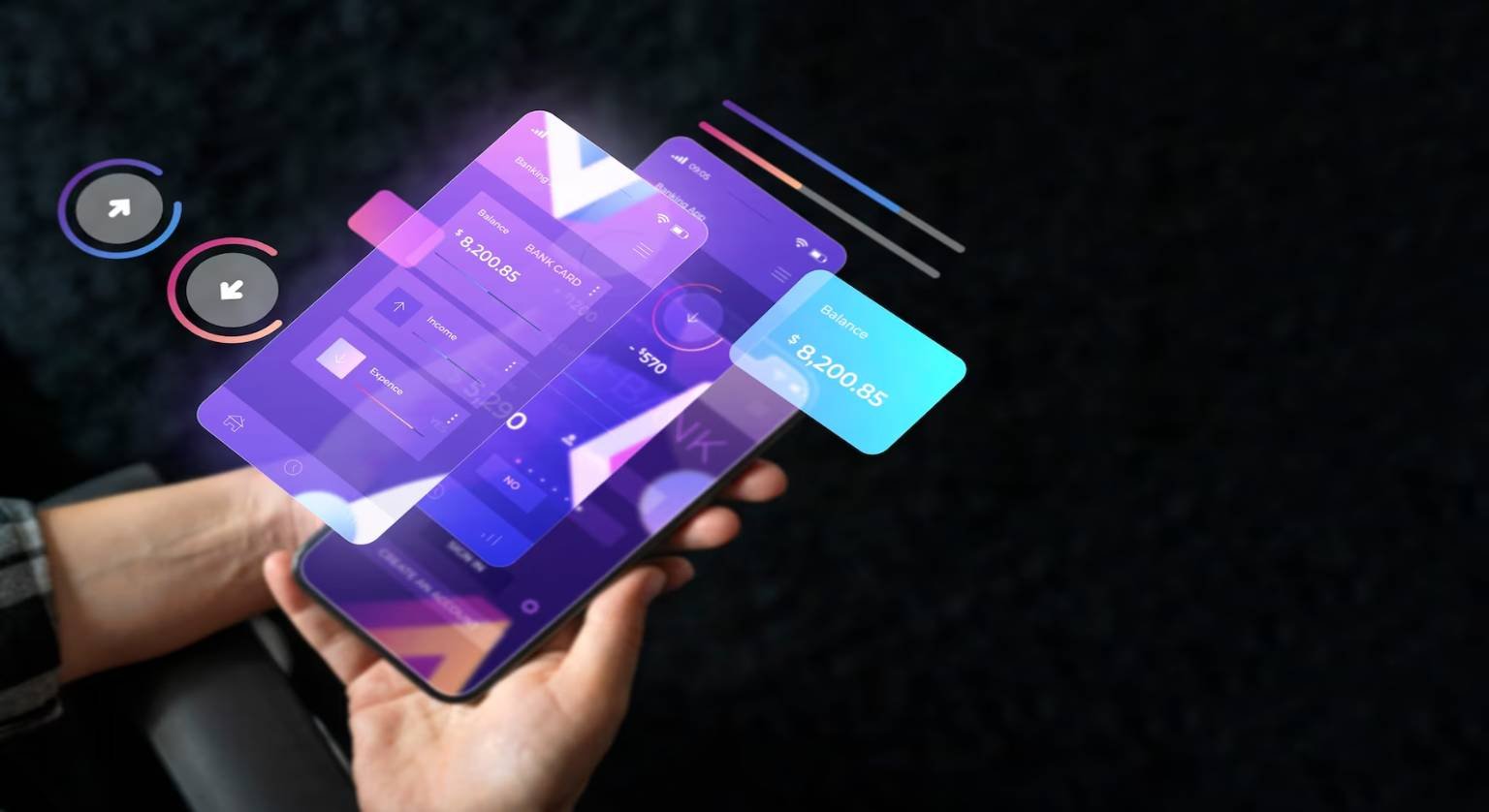
User Interface (UI) design for mobile application, India, focuses on the visual and interactive elements of a mobile app. It’s about creating an intuitive, aesthetically pleasing, and efficient interface that users can easily navigate and enjoy. In the Indian context, this often involves understanding diverse linguistic preferences, varying internet speeds, device affordability, and a rich cultural background that influences visual aesthetics and user expectations. Effective UI design ensures that an app is not just functional but also delightful to use, catering specifically to the needs and preferences of Indian mobile users.
- Visual Appeal: Incorporating colors, typography, and imagery that resonate with the target audience.
- Interactivity: Designing buttons, gestures, and animations that provide clear feedback and enhance usability.
- Responsiveness: Ensuring the app looks and performs well across a range of mobile devices and screen sizes common in India.
- Accessibility: Making the app usable for people with different abilities, considering India’s diverse user base.
Why Choose Guwahati for UI Design for Mobile Application, India?
Choosing Guwahati as a focal point for UI design for mobile application, India, offers several compelling advantages. The city’s strategic location as the gateway to Northeast India positions it uniquely to understand and cater to regional nuances often overlooked by designers in larger metros. Its growing educational institutions are producing a new generation of tech-savvy talent, eager to contribute to the digital landscape.
- Cultural Insight: Designers in Guwahati possess inherent understanding of local cultures, languages, and aesthetics, crucial for building apps that connect with diverse Indian users.
- Emerging Talent Pool: Educational institutions like IIT Guwahati and various universities are fostering a skilled workforce in design and technology.
- Cost-Effectiveness: Operational costs for design studios and individual freelancers can be more competitive compared to major IT hubs.
- Growing Market: Northeast India represents a rapidly digitizing consumer base, offering a unique testing ground for mobile application UI.
- Government Initiatives: Increasing focus on digital infrastructure and skill development by local governments supports the growth of the IT sector.
How to Approach UI Design for Mobile Application in Guwahati
Successfully undertaking UI design for mobile application, India, with a focus on Guwahati requires a methodical approach that balances global design principles with local sensibilities. Businesses should prioritize understanding the specific user demographic, whether targeting the broader Indian market or niche regional audiences.
Conduct Thorough User Research
Before any design begins, invest in understanding your target users in India. This means conducting surveys, interviews, and usability tests to gather insights into their behaviors, pain points, and preferences. For a Guwahati-centric approach, this might include studying local dialects, cultural icons, and daily routines that can influence app usage.
Embrace Iterative Design
UI design is rarely a one-shot process. Adopt an iterative approach, creating wireframes, prototypes, and then testing them with real users. This allows for continuous feedback and refinement, ensuring the final mobile application UI is robust and user-friendly.
Focus on Performance and Accessibility
Given varying internet speeds and device capabilities across India, optimizing for performance is paramount. Ensure the UI is lightweight and loads quickly. Furthermore, design for accessibility, using clear contrast, legible fonts, and intuitive navigation for all users.
Cost in UI Design for Mobile Application, India
The cost of UI design for mobile application, India, can vary significantly based on several factors. While Guwahati might offer more competitive rates than Bengaluru or Mumbai, the overall project cost depends on complexity, designer experience, and the scope of work. It’s an investment that yields high returns through improved user engagement and retention.
- Project Complexity: A simple app with few screens will cost less than a complex application with intricate interactions and numerous features.
- Designer Experience: Highly experienced UI designers or agencies typically command higher fees due to their proven track record and expertise.
- Scope of Work: Whether it includes only UI wireframing, or extends to full prototyping, animation, and comprehensive design system creation impacts the cost.
- Location: While Guwahati offers competitive rates, major metropolitan cities might have higher overheads leading to increased costs.
Obtaining detailed proposals from multiple designers or agencies specializing in ui design for mobile application, India, is crucial for an accurate cost estimate.
Timeline for UI Design for Mobile Application Projects
The timeline for UI design for mobile application, India, projects is not fixed and depends on the project’s scale, the efficiency of the design team, and client responsiveness. A typical project can range from a few weeks for a simple app redesign to several months for a complex application built from scratch. Planning is key to managing expectations and delivering on schedule.
- Discovery & Research: 1-3 weeks (User research, competitor analysis, requirement gathering).
- Wireframing & Prototyping: 2-5 weeks (Creating low-fidelity and high-fidelity mockups, user flows).
- Visual Design & UI Kit Creation: 3-7 weeks (Applying branding, colors, typography, creating design systems).
- Testing & Iteration: Ongoing throughout the process, with dedicated phases for user testing.
Effective communication and clear feedback loops between the client and the design team are vital for adhering to timelines in any ui design for mobile application, India, endeavor.
Benefits of Excellent UI Design for Mobile Application, India
Investing in excellent UI design for mobile application, India, yields a multitude of benefits that directly impact an app’s success and user adoption. In a crowded digital market, a superior user interface can be the critical differentiator that sets an application apart from its competitors, particularly within the diverse Indian user base.
- Enhanced User Experience: A well-designed UI makes the app intuitive and enjoyable, leading to higher user satisfaction.
- Increased User Engagement & Retention: Users are more likely to spend more time on and return to an app that is easy to use and visually appealing.
- Stronger Brand Identity: Consistent and appealing UI reinforces brand values and builds trust with users.
- Higher Conversion Rates: For e-commerce or service apps, a smooth UI guides users effortlessly towards desired actions, boosting conversions.
- Reduced Development Costs: Clear UI designs minimize redesigns during development, saving time and resources in the long run.
- Competitive Advantage: In the growing market for mobile application, India, a superior UI can be a key differentiator.
Best Practices in UI Design for Mobile Application, India
To excel in UI design for mobile application, India, it’s essential to follow certain best practices that cater to the unique characteristics of the Indian market while adhering to universal design principles. These practices ensure that the applications are not only beautiful but also highly functional and accessible to a wide audience.
- Mobile-First Approach: Always design for smaller screens first, then scale up, ensuring optimal performance on budget smartphones common in India.
- Clear Navigation: Implement intuitive navigation patterns (e.g., bottom navigation bars, clear labels) that users can easily understand.
- Visual Hierarchy: Use size, color, and contrast to guide the user’s eye to important elements and actions.
- Minimalism & Clarity: Avoid clutter; keep interfaces clean and straightforward to reduce cognitive load, especially for users with varying digital literacy.
- Consistency: Maintain consistent design elements, colors, and typography throughout the app for a cohesive user experience.
- Localization: Consider language options, regional holidays, and local payment methods to make the app feel more personal and relevant for users in India.
- Performance Optimization: Design with load times in mind, using optimized images and efficient animations.
- Feedback & Responsiveness: Provide immediate visual or haptic feedback for user interactions (e.g., button presses).
Guwahati’s unique position allows for a distinctive approach to UI design for mobile application, India, fostering innovation that addresses both local and national market needs.
- Q: Why is UI design important for mobile applications in India? A: UI design is crucial because it directly impacts user experience, engagement, and retention. In a competitive market like India, a well-designed UI can differentiate an app, build trust, and drive user satisfaction, leading to higher adoption rates and business success.
- Q: How does Guwahati influence UI design for mobile application, India? A: Guwahati offers a unique cultural perspective, an emerging talent pool, and cost-effective solutions. Its designers can leverage local insights to create more relatable and culturally resonant mobile applications for the diverse Indian user base, especially for the Northeast region.
- Q: What factors determine the cost of UI design for a mobile application in India? A: Costs are influenced by project complexity, the experience level of the designer or agency, the overall scope of work (e.g., wireframing, prototyping, full design system), and geographic location within India.
- Q: What are some best practices for UI design targeting Indian users? A: Best practices include adopting a mobile-first approach, ensuring clear navigation, maintaining visual hierarchy and consistency, focusing on minimalism, and incorporating localization aspects like language options and regional relevance. Performance optimization for varying internet speeds is also vital.
- Q: How long does a typical UI design project take for a mobile application in India? A: The timeline varies based on complexity. Simple apps might take a few weeks, while complex applications with extensive features and iterations could span several months. Key phases include research, wireframing, visual design, and ongoing testing.
As India’s digital landscape continues its rapid expansion, the role of nuanced and culturally informed UI design for mobile application, India, becomes increasingly critical. Guwahati, with its blend of traditional heritage and modern aspirations, is perfectly poised to contribute significantly to this evolution, shaping mobile experiences that are not only functional but truly captivating for millions across the subcontinent.
For more insights, explore our Website Development Services page to discover tailored digital solutions that help businesses grow in ui design for mobile application, India.